The Layered Bed: How to Style Your Bedroom for Cooler Months
October 2026

Four layers make the difference between a bed that simply exists and one that anchors the room: a foundation suited to the season, a primary warmth layer matched to how you sleep, a folded top layer for texture, and pillows arranged with a clear logic. As temperatures drop over the coming months, each layer should earn its place by doing something specific, not just piling on more fabric.
How Do I Layer My Bed for Fall and Winter?
To layer a bed for fall and winter, start at the mattress and build outward in four stages: sheets, a primary warmth layer, a folded top layer, and pillows. Each stage serves its own purpose, and a bed usually feels underdressed not because it lacks enough blankets, but because one of these four stages was skipped.
The sequence matters more than the specific pieces chosen. Get the order right, and even a modest bedding collection looks intentional.
Start With a Foundation Built for the Season
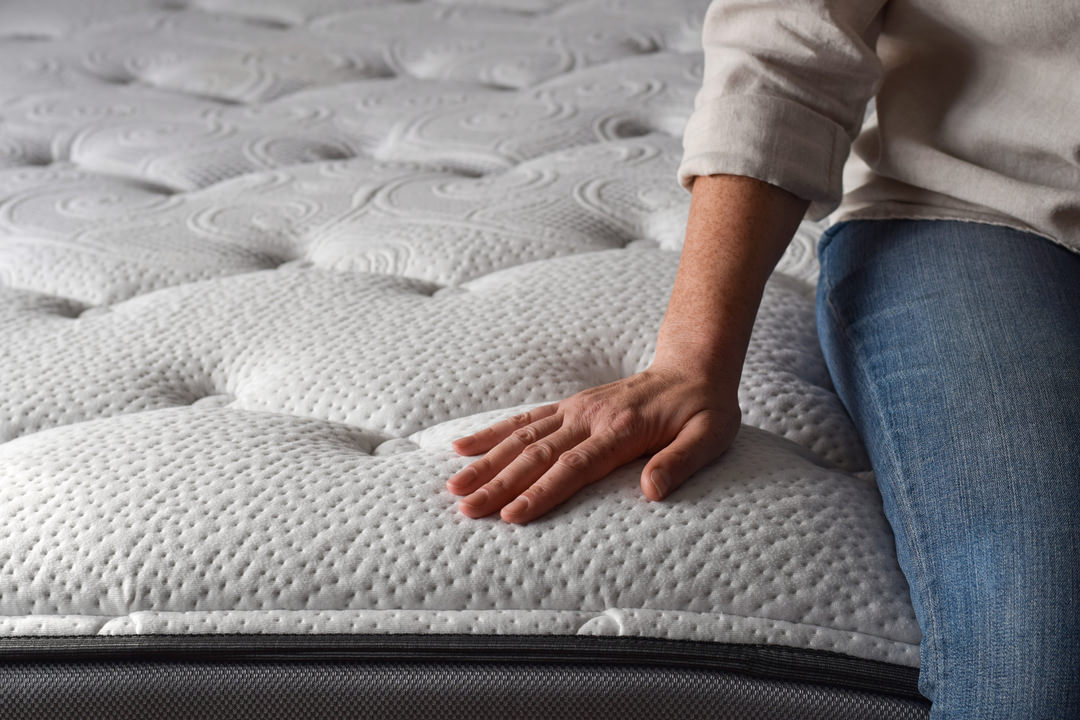
The foundation starts before the sheets, with a mattress protector that guards against moisture and everyday wear. It's worth choosing first, since once it's in place, everything else goes over the top and it disappears from view. Hennen's carries a full range of mattress protectors, sheets, and pillows to build out every layer.
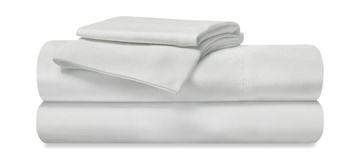
From there, the sheets set the tone for the whole bed, and swapping them out is one of the simplest fall bedroom bedding ideas available. Fabric weight and weave affect warmth and hand-feel as much as thread count does.
Flannel sheets have a brushed, napped surface that traps warmth and feels soft from the first night. Cotton sheets are crisp and breathable, holding their shape well and keeping the bed from feeling too warm even under a heavy duvet. Bamboo sheets are naturally moisture-wicking and temperature-regulating, with a smooth, slightly cool hand-feel that suits a sleeper who tends to run hot at night.
Flannel suits a colder bedroom or a sleeper who runs cold. Cotton works well under a heavy duvet in a warmer room, since its breathability keeps the layers from feeling stifling. Bamboo is a good match for a bedroom that swings between warm and cool through the season, or for anyone prone to overheating at night.
What Bedding Is Best for Cooler Months?
The best bedding for cooler months features a primary warmth layer chosen for fill weight rather than appearance alone, paired with a foundation that matches the bedroom's temperature. This is the layer that does the actual work of keeping you warm, so it deserves the most thought of any layer.
Down fill, made from the soft clusters beneath a goose or duck's feathers, gives the best warmth-to-weight ratio of any fill, so a duvet can feel warm without feeling heavy. Down-alternative fill, made from synthetic fibers, costs less, resists allergens, and holds up better to frequent washing, though it typically needs more fill to match down's warmth.
Fill weight, measured in grams per square meter, indicates how much insulation a piece provides regardless of fill type. A lighter fill around 300 to 400 grams suits a warm bedroom or a sleeper who runs hot, while a heavier fill above 500 grams suits a cold bedroom or someone who wants warmth without piling on extra blankets.
What Is the Difference Between a Duvet and a Comforter?
A duvet is a fill insert paired with a removable, washable cover, while a comforter is a single finished piece with its own permanent outer fabric. A quilt is thinner and typically pieced or stitched in a pattern — flatter and less insulating than either, but more versatile year-round.
Here is how the three compare on the qualities that matter most:
| Duvet | Comforter | Quilt | |
| Structure | Fill insert plus a removable, washable cover. | Single finished piece with a permanent outer fabric. | Thin, pieced or stitched layer that lies flat. |
| Warmth | Ranges widely by fill weight. | Fixed warmth set at manufacture. | Light; best as a top layer, not primary warmth. |
| Care | Wash the cover often; wash the insert rarely. | Launder the whole piece, less often. | Machine washable; simplest upkeep of the three. |
A duvet offers the most flexibility for a household that changes bedding often, while a comforter suits anyone who prefers one finished piece and less upkeep. Because the cover comes off separately, changing a duvet's look for the season costs far less than replacing an entire comforter.
Add a Folded Top Layer for Warmth and Texture
A coverlet or quilt folded across the foot of the bed does two jobs at once: it adds a layer of warmth to pull up on a colder night, and it introduces a second texture so the bed doesn't look like one flat surface. Folding it in thirds along the foot, rather than draping it the full length, keeps the look tailored rather than sloppy.
This layer is also the easiest place to bring in seasonal color or pattern without recommitting the whole bed. A neutral duvet stays in place while the folded layer changes with the season.
Finish With Pillows That Look Intentional
Pillow arrangement follows a size logic: the largest, firmest pillows go against the headboard, medium decorative pillows sit in front of them, and one or two smaller accent pillows finish the front row. Working from large to small keeps the arrangement legible instead of cluttered.
Two Euro shams — the large, squarish pillow covers that sit against the headboard, typically 26 by 26 inches — two standard sleeping pillows, and one or two accent pillows are enough for most beds. Beyond that, the arrangement starts working against the room rather than for it.
Mix Textures for a Layered Bedding Look That Feels Rich
A genuinely layered bedding look comes from contrast, not matching. A room that pairs a linen duvet cover, a waffle-knit throw, and a velvet accent pillow feels considerably richer than the same bed dressed in a single matching set, because each texture catches light differently and adds its own visual weight.
This is also where a cozy bedroom for fall comes together without adding actual bulk. Mixing two or three textures does more visual work than adding a fourth blanket, and it keeps the bed from feeling overstuffed.

Consider How the Bed Frame Complements Your Layers
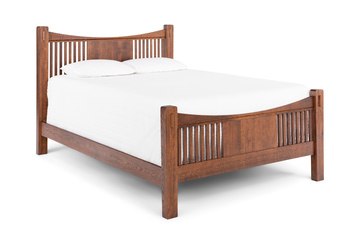
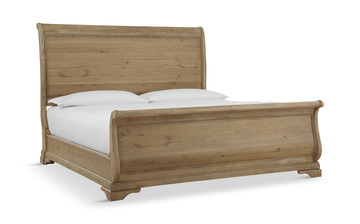
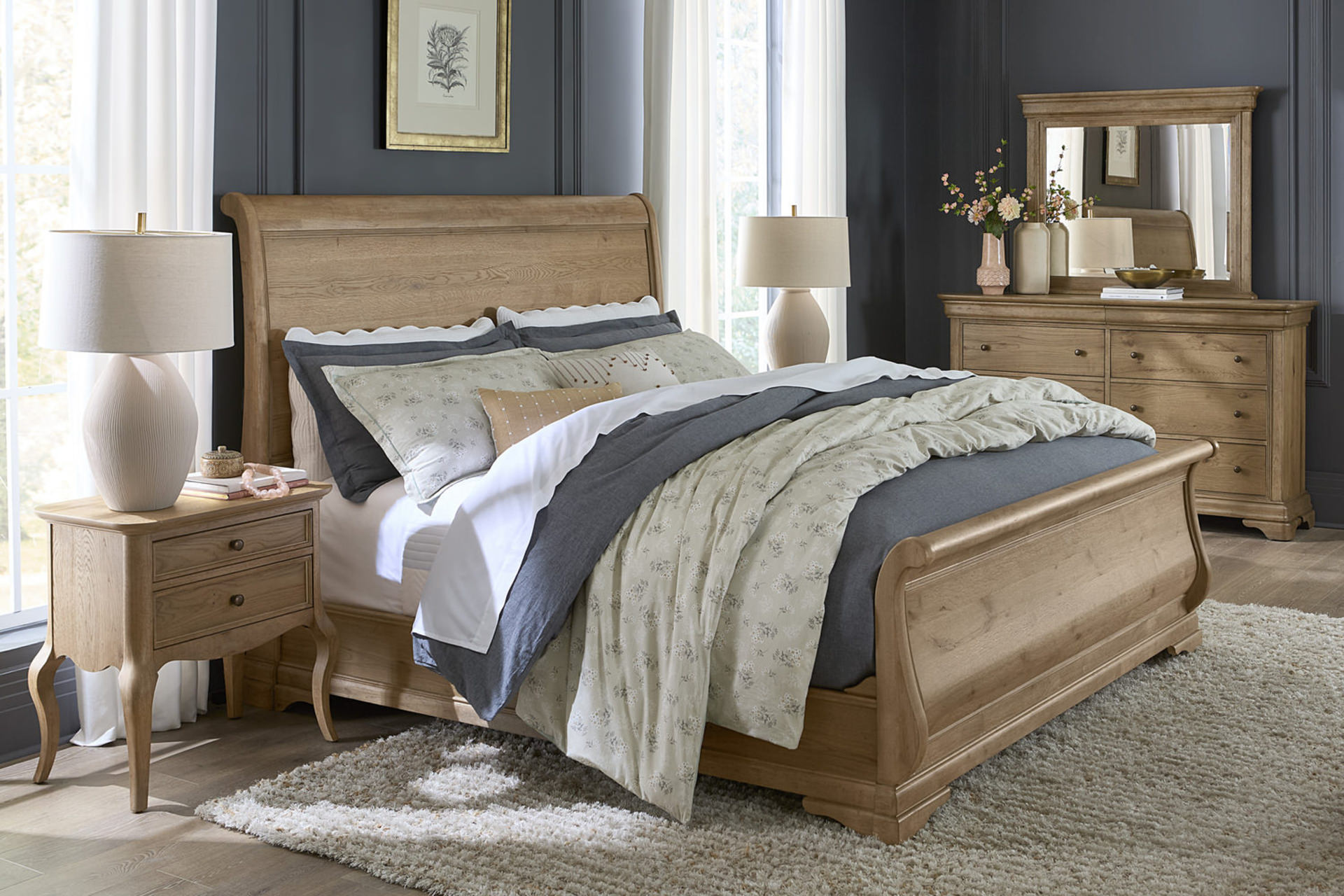
The bed frame is the stage the whole layered look sits on, and its material shapes how much attention the bedding will draw. A wood frame brings its own grain and texture, so it holds up well against something equally textural, like a chunky knit throw or a nubby wool blanket. An upholstered frame is already part of a layered look, since its fabric headboard — and often its base — introduces a texture and sometimes a color of its own.
Color matters here too. A dark wood or dark upholstered frame makes lighter, textured bedding stand out by contrast, which is part of why a linen duvet against a walnut frame looks so good. A light or white frame recedes into the background, letting bolder bedding colors and patterns carry the room instead. Matching the frame's warm or cool undertones to the bedding's palette keeps the whole look feeling planned rather than accidental.
Bring the Look Together
A well-layered bed changes how a bedroom feels through the coldest months of the year, and it starts with choosing pieces that work together rather than simply piling more on top. Once the bed is settled, the rest of the room follows — Hennen's bedroom buying guide is a good next stop for furnishing around it. Stop by a Hennen's showroom or talk with a design consultant to see these textures and fills in person before deciding.