
The Ultimate Guide to Buying Quality Leather Sofas, Sectionals and Seating

An Elevated Guide to Selecting Leather Furniture
Selecting leather furniture is both a design decision and a long-term investment. Known for its natural beauty, performance, and enduring appeal, leather has long been associated with well-appointed interiors. This leather sofa guide is designed to help you navigate the nuances of genuine leather furniture—from leather grades and finishes to lifestyle considerations—so you can choose pieces that offer lasting comfort, sophistication, and value.
Whether you are furnishing a formal living room or a relaxed family space, understanding how leather is crafted and how it performs over time ensures your furniture selection aligns with both your aesthetic vision and everyday needs.
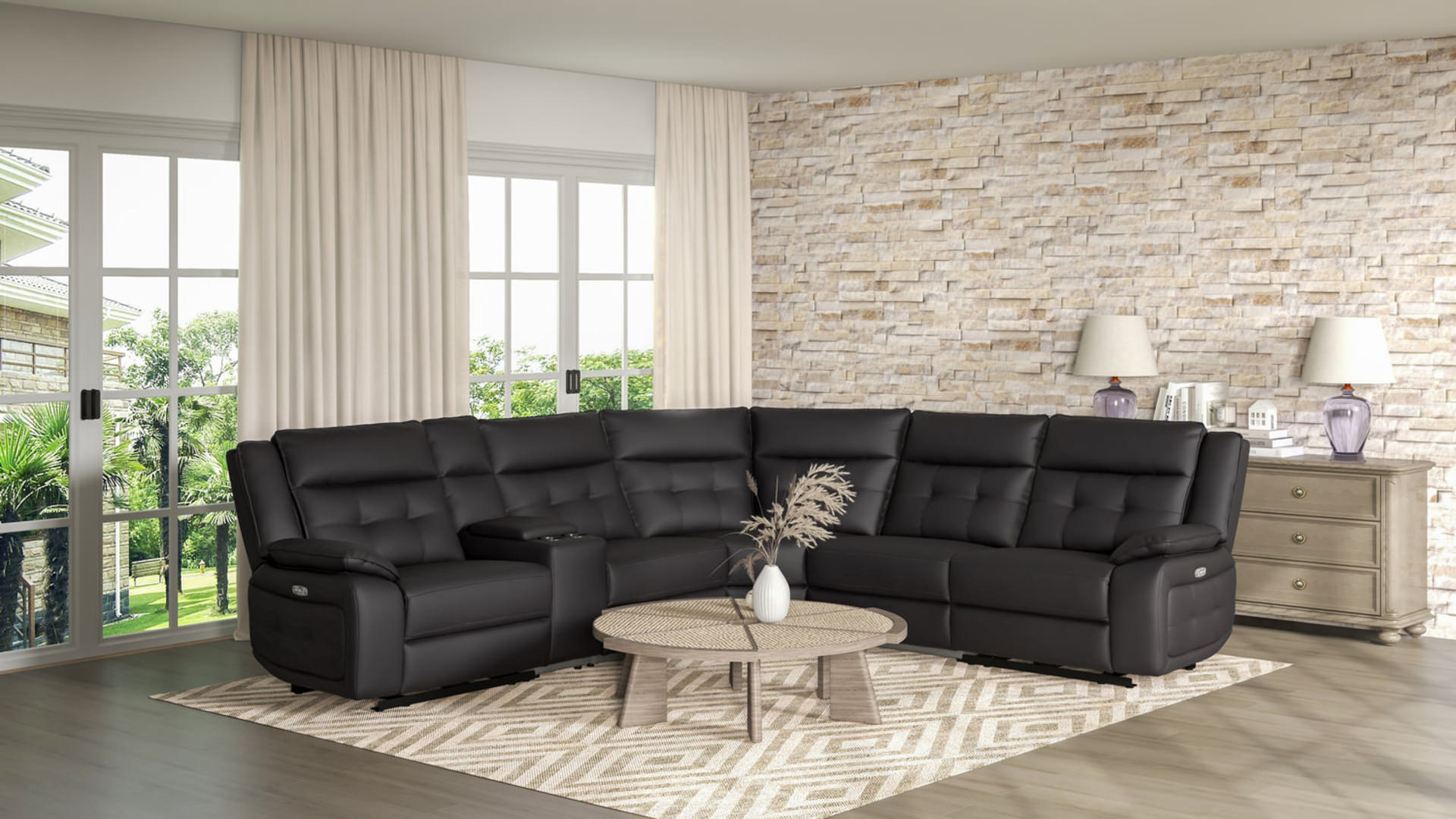
The Enduring Appeal of Leather Furniture
Leather continues to be one of the most sought-after upholstery materials, prized for its balance of luxury and livability. Unlike trend-driven fabrics, leather matures gracefully, becoming more beautiful with age.
Benefits of Leather Furniture
Exceptional Longevity: High-quality leather furniture is designed to last for decades. With proper care, a leather sofa or chair can outlive multiple fabric counterparts, making it a wise long-term investment.
Strength and Resilience: Leather’s natural fiber structure provides superior resistance to stretching, tearing, and everyday wear. It is well suited for active households while maintaining a refined appearance.
Effortless Maintenance: Leather naturally resists spills, odors, and allergens. Routine care typically involves light dusting and prompt attention to spills—far less maintenance than many upholstered fabrics require.
Timeless Design Versatility: From classic, tailored silhouettes to sleek contemporary profiles, leather complements a wide range of interior styles without feeling dated.
Distinctive Character: Natural markings and subtle variations give leather furniture individuality. Over time, these details enhance the richness and authenticity of each piece.
Considerations Before Investing in Leather
While leather offers exceptional benefits, it is important to consider a few practical elements:
Initial Investment: Because it is crafted from natural hides and requires specialized processing, leather furniture typically carries a higher price point. This cost reflects durability, craftsmanship, and long-term performance.
Color & Pattern Range: Leather is most commonly offered in solid, neutral tones rather than bold patterns. This contributes to its versatility but offers less visual variety than fabric upholstery. Layering with patterned or textured throws and accent pillows can enhance individual style and provide seasonal variety.
Comfort Lines & Cushion Care: Leather naturally develops soft comfort lines as it relaxes with use—an expected and desirable characteristic that adds to its lived-in appeal. Combined with the typical 15–20% loss of resiliency in all foam core furniture, leather will stretch to reveal regularly used seating areas. Periodic cushion rotation helps maintain comfort, appearance, and longevity.
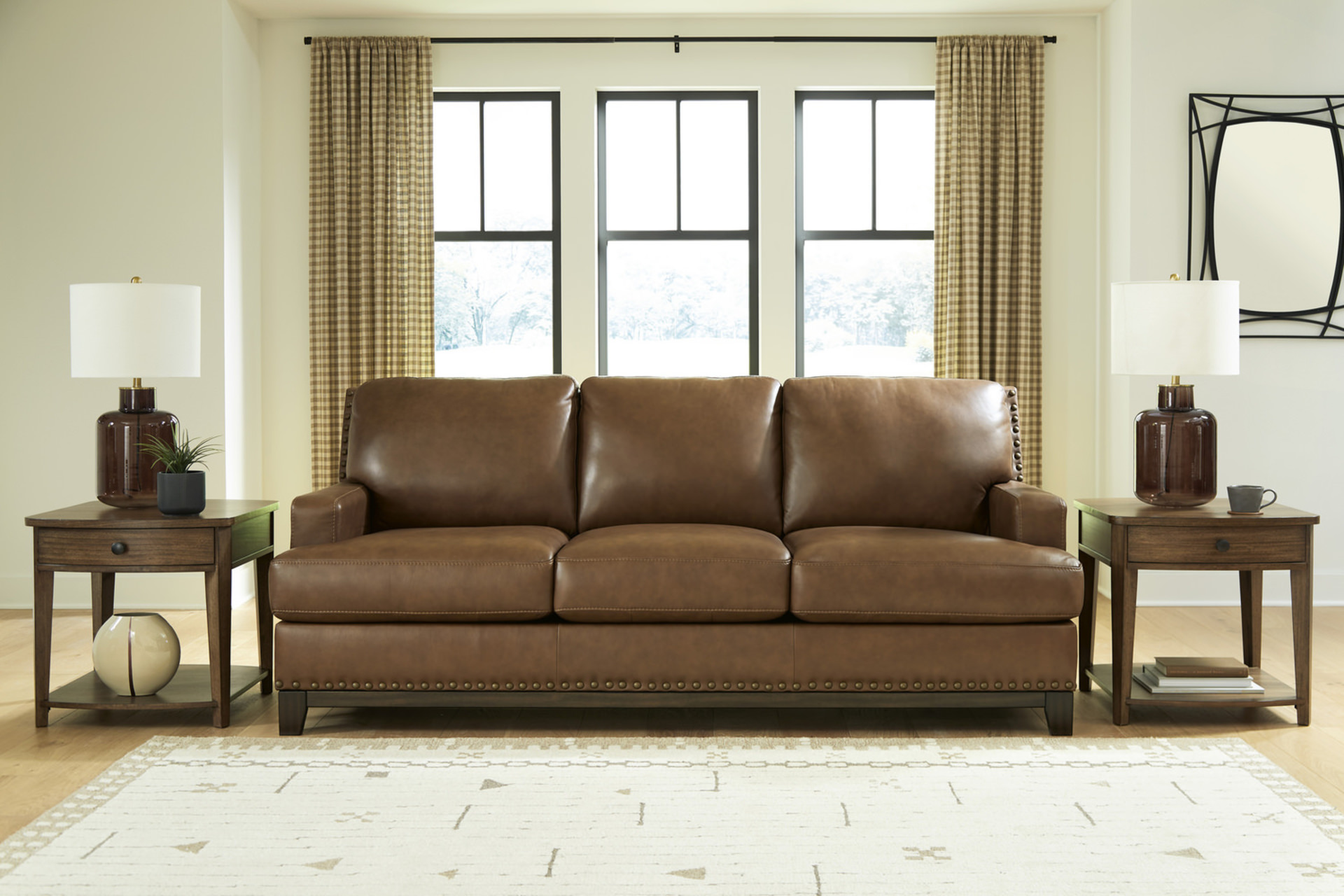
Understanding Leather Types and Quality Grades
The quality, appearance, and longevity of leather furniture are largely determined by which part of the hide is used and how it is processed. Leather is a natural material, most commonly sourced from cattle hides, and each layer of the hide offers distinct characteristics. Understanding these differences allows you to make a more informed investment based on performance expectations, aesthetic preferences, and budget.
1. Full-Grain Leather
Highest-quality leather available; It has the full, complete grain of the hide intact
Has not undergone any sanding, buffing or processes to remove the hide’s visual imperfections
Extremely durable and long-lasting
Exceptionally soft, supple, and breathable
Develops a rich, elegant patina over time, enhancing its character and beauty
More porous than other leathers, making it more susceptible to liquid absorption
Shows more scratch marks from everyday wear and tear
Ideal for: Those seeking heirloom-quality furniture with unmatched authenticity, longevity, and natural character.
2. Top-Grain Leather (Corrected Grain)
Also made from the top cut of the hide
Lightly sanded, buffed, and refinished to remove natural imperfections
Treated to create a smooth, uniform appearance and consistent color
Retains excellent durability while offering increased resistance to stains and fading
Less porous than full-grain leather, making it easier to maintain
More flexible in production, allowing for a wider range of colors and finishes
Most commonly used premium leather in the furniture industry at an accessible price point
Ideal for: Homes seeking premium performance, refined aesthetics, and everyday practicality without sacrificing durability.
3. Split-Grain Leather
Produced from the lower layer (dermis) of the hide after the top cut is removed
Does not contain the hide’s natural grain structure
Less resistant to wear and stretching than top-grain or full-grain leather; Best suited for lighter use
Often coated or embossed with an artificial grain pattern
Frequently used on less visible areas of furniture, such as sides or backs
Significantly more affordable than top-grain leather options
Ideal for: Budget-conscious buyers or secondary spaces where cost efficiency is a priority but a leather look is still desired.
4. Additional Leather Classifications to Know
Beyond hide layers, leather is often categorized by how it is dyed and finished—particularly when evaluating premium furniture.
- Aniline Leather: Aniline leather is an essential term when evaluating a premium leather furniture investment. Only the finest hides in the world fall into the category of pure aniline leather; while full aniline leather includes leather where a slight protective finish is applied in the tanning process to give it some extra serviceability.
- Semi-Aniline (Aniline Plus) Leather: Aniline plus, or semi-aniline, leathers undergo additional refinement. Spray pigments of color are applied to the tops of the hides to even out the finish and camouflage naturally occurring imperfections. These leathers are fade resistant and scratch resistant and are easily cleaned.
These finishing distinctions play a key role in both appearance and serviceability, especially in long-term use.
Care and Maintenance Expectations
Leather is designed to age gracefully, and certain characteristics are part of its natural beauty:
Fading may occur with prolonged sunlight exposure, adding variation and depth
Color variation is normal, even within the same piece
Natural hide markings are not defects
Comfort lines develop where leather conforms to regular use
Recommended Care Practices
Dust or wipe with a dry cloth regularly
Clean spills immediately
Use only leather-specific cleaners
Rotate cushions periodically
With consistent care, leather furniture maintains its structure, comfort, and visual richness for years.
Common Misconceptions About Leather Furniture
1. “Leather feels cold and uncomfortable.”
This is one of the most common misunderstandings about leather furniture. In reality, leather is a highly responsive, natural material that quickly adjusts to your body temperature. When you sit down, leather warms almost immediately, creating a comfortable and inviting seating experience—even in cooler rooms such as basements or lower-level family spaces.
Equally important, leather performs well in warmer environments. Unlike some fabrics, it does not trap heat or become excessively warm to the touch, making it a versatile upholstery option year-round. This natural temperature regulation is one of the reasons leather has remained a preferred material in both residential and hospitality design.
2. “Leather furniture is difficult to care for.”
Leather furniture is often perceived as high-maintenance, but this reputation is largely undeserved. In practice, leather is one of the easiest upholstery materials to maintain. Its smooth surface resists dust, allergens, and many spills, allowing most everyday messes to be wiped away quickly with a soft cloth.
Routine care is straightforward:
Light dusting or wiping on a regular basis
Prompt attention to spills
Occasional use of leather-specific cleaners
When compared to fabric upholstery—which can absorb stains, odors, and pet hair—leather often requires less long-term upkeep while maintaining its refined appearance.
3. “Leather isn’t a good choice for homes with kids or pets.”
While no furniture material is completely immune to wear, leather is surprisingly well suited for active households. High-quality leather is naturally durable and flexible, allowing it to withstand daily use far better than many woven fabrics.
Minor scratches, comfort lines, or natural wear marks are not flaws—they contribute to leather’s patina and character over time. However, some consideration should be taken to prolong the life and beauty of your leather:
Choose top-grain or semi-aniline leather for durability
Trim pet nails regularly to reduce surface scratches
Blot spills immediately to prevent absorption
Rotate cushions for even wear
4. “Leather furniture looks outdated.”
Leather furniture is often associated with traditional interiors, but this perception overlooks its remarkable versatility. Today’s leather designs span a wide range of aesthetics, from classic to contemporary, allowing leather to feel equally at home in both formal living rooms and modern, minimalist spaces.
Leather seamlessly adapts to multiple design styles, including:
Traditional: Rolled arms, deep seating, and elegant nailhead detailing that emphasize timeless craftsmanship
Transitional: Clean lines paired with classic proportions for a balanced, sophisticated look
Contemporary: Streamlined silhouettes, low backs, track arms, and minimal detailing that feel modern and refined
Far from being outdated, leather remains a cornerstone of interior design precisely because it evolves with changing tastes. When paired with updated silhouettes, lighter color palettes, or mixed materials, leather furniture feels fresh, current, and enduring.
Hennen’s collection reflects this versatility, offering premium leather sofas, sectionals, chairs, and ottomans curated to complement both timeless and modern interiors—proving that leather is not bound to one era, but designed to endure across many.
Visit Hennen Furniture in St. Cloud, MN to experience the quality of genuine leather furniture firsthand and invest in comfort and style that endure.