
How to Choose the Right Mattress for Better Sleep

Choosing the right mattress starts with understanding your sleep position, comfort preferences and support needs. Look for a mattress that keeps your spine aligned, relieves pressure points and regulates temperature. Test different options in person whenever possible, compare materials and firmness levels and select a high-quality model designed to provide consistent support for years.
This mattress buying guide breaks down the key decisions that will help you choose with confidence.
Mattress Types Explained
Understanding how each mattress type is constructed makes it easier to narrow your options and focus on the features that matter most for your comfort and long-term support.
Innerspring Mattresses
Innerspring mattresses remain popular for their durability, breathability and familiar feel. At their core is a system of steel coils designed to support your weight and promote spinal alignment.
Common coil types include:
Bonnell coils: Hourglass-shaped and interconnected, offering dependable support at a value price.
Offset coils: Hinged design that contours better than traditional Bonnell systems.
Continuous coils: Made from a single wire for consistent strength across the mattress.
Pocketed coils: Individually wrapped to reduce motion transfer and improve targeted support.
Coil count:
Higher coil counts typically indicate better weight distribution and durability, especially in queen sizes and above. However, coil gauge (thickness of the steel) also matters. Lower gauges signal firmer support.
Comfort layers:
Modern innersprings often include pillow tops, Euro tops or foam layers to soften the surface while maintaining strong underlying support.
Best for: Back sleepers, hot sleepers and anyone who prefers a responsive mattress that makes changing positions easier.
Memory Foam Mattresses
Memory foam mattresses reshaped the mattress industry by introducing materials that adapt to the body’s shape and weight. The result is a sleep surface that evenly distributes pressure and helps reduce nighttime discomfort.
Key factors to understand:
Foam density: Higher-density foams typically last longer and resist impressions to retain their shape.
Pressure relief: Foam cushions shoulders and hips, making it a top choice for people with joint pain.
Motion isolation: Ideal for couples because movement is less likely to disturb a partner.
Cooling technologies now commonly include:
Gel infusions, open-cell construction, copper fibers and phase-change materials that pull heat away from the body.
Best for: Side sleepers, couples and anyone seeking deeper contouring support.
Hybrid Mattresses
Hybrid mattresses combine the responsive support of coils with the comfort benefits of advanced foams. This layered construction creates a balanced feel that appeals to a wide range of sleepers.
Why many shoppers choose hybrids:
Strong edge support.
Improved airflow compared to all-foam models.
Noticeable pressure relief.
Easier movement than traditional memory foam.
Hybrids are especially appealing if you’re unsure which mattress type you prefer, as they deliver both structure and cushioning.
Best for: Combination sleepers, couples and shoppers looking for a balanced design.
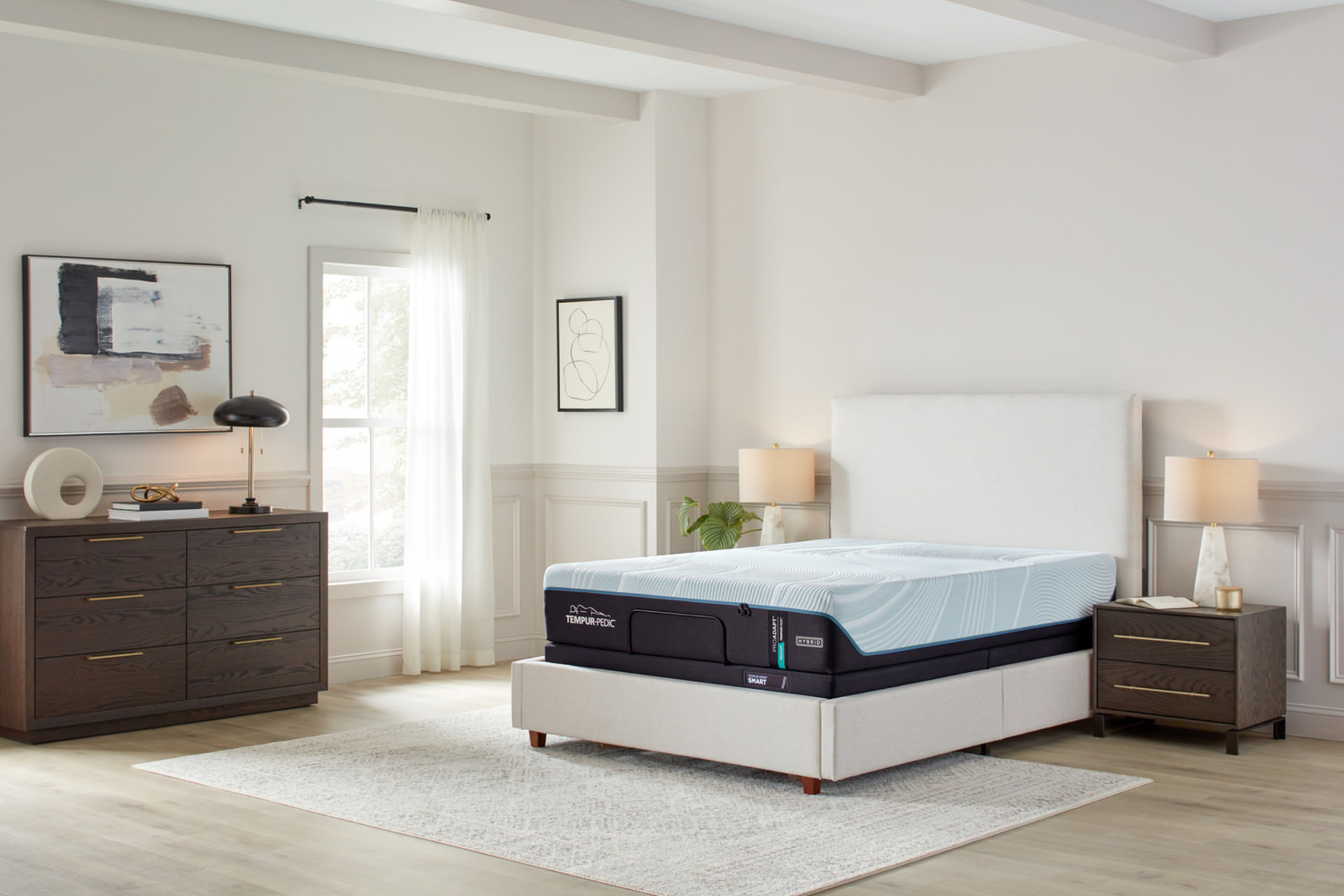
What's the Difference Between Memory Foam and Innerspring Mattresses?
Memory foam mattresses contour closely to your body, absorbing motion and relieving pressure. They tend to feel quieter and more enveloping.
Innerspring mattresses rely on coils for structure, creating a buoyant surface with stronger airflow and easier mobility.
Quick takeaway: Choose memory foam if you want cushioning and motion isolation. Choose innerspring if you prefer a cooler, more traditional feel with added responsiveness.
Mattress Comparison
Innerspring mattresses use a coil support system that offers a breathable, responsive sleep surface — a great fit for back sleepers, hot sleepers, and anyone who prefers a traditional feel.
Memory foam mattresses contour to the body for strong pressure relief and excellent motion isolation, making them ideal for side sleepers, couples, and people with joint discomfort.
Hybrid mattresses combine coils and foam for balanced support and improved airflow, which works well for combination sleepers, couples, and shoppers looking for the most versatile option.
How do I choose the right mattress? Quick Selection Tips
Choosing the right mattress comes down to a few key decisions, with considerations including your sleep position, body type and pressure relief requirements.
Match firmness to your sleep position: Side sleepers typically prefer medium to medium-soft, back sleepers often benefit from medium-firm and stomach sleepers usually need firmer support.
Consider your body type: Heavier sleepers often require stronger coil systems or higher-density foam to prevent sagging.
Prioritize pressure relief if you wake up sore: Memory foam and hybrids are especially effective.
Look for cooling features if you tend to sleep hot: Breathable covers, cooling foams and coil-based construction improve airflow.
Choose motion-isolating materials if you sleep with a partner: Foam and pocketed coils help reduce sleep disturbances.
Test before you buy: Spend at least 10–15 minutes lying in your typical sleep position.
Think long term: A quality mattress is an investment in your health and daily energy.
How Firm Should My Mattress Be?
Firmness describes how a mattress feels when you lie down, but it also plays a major role in spinal alignment and overall comfort.
Soft mattresses offer noticeable contouring with more sink — best for lightweight sleepers and dedicated side sleepers.
Medium firmness strikes a balance between comfort and support, making it a natural fit for couples and combination sleepers.
Firm mattresses provide minimal sink with a lifted feel, ideal for stomach sleepers and those who need extra support.
General guideline: Your hips should not dip below the rest of your body. Proper alignment helps prevent morning stiffness and long-term discomfort.

Sleep Position Guide
What Kind of Mattress Is Best For Side Sleepers?
A medium to medium-soft memory foam or hybrid mattress is usually best for side sleepers because it cushions pressure points at the shoulders and hips. This added contouring helps maintain proper spinal alignment and can reduce the likelihood of waking up with soreness.
What Kind of Mattress Is Best For Back Sleepers?
Back sleepers typically benefit from a medium to medium-firm mattress that supports the natural curve of the spine. Too much softness can allow the hips to sink, while excessive firmness may create tension along the lower back.
What Kind of Mattress Is Best For Stomach Sleepers?
A firm mattress helps keep the torso elevated so the spine stays in a more neutral position. This support is especially important for preventing lower back strain over time.
What Kind of Mattress Is Best For Combination Sleepers?
Combination sleepers should look for a responsive surface that makes movement easier throughout the night. Hybrid and innerspring models often perform well because they provide both support and flexibility.
Mattress Sizes and Room Recommendations
When selecting a mattress size, remember that you are technically choosing the size of the bed, since the mattress must match the frame. Consider both your sleeping space and the dimensions of your bedroom before deciding.
A twin (38" x 75") works well for kids, bunk beds, and compact guest rooms, while a twin XL (38" x 80") adds five inches of length for taller teens and dorm-style spaces. A full (54" x 75") gives solo sleepers extra room to stretch out. A queen (60" x 80") is the most popular choice for couples and fits most primary bedrooms comfortably. A king (76" x 80") offers maximum personal space and suits larger bedrooms, while a California king (72" x 84") trades a bit of width for extra length, making it a great fit for taller individuals and spacious rooms.
Room tip: Aim for at least 24–30 inches of walking space around the bed for comfortable movement.
What Makes a High Quality Mattress?
A mattress is a long-term investment and construction details often reveal how it will perform over time. Here are some characteristics of the best mattress types:
Reinforced edges that help prevent sagging.
Durable coil systems or high-density foams.
Breathable covers that support temperature regulation.
Consistent stitching and craftsmanship.
Meaningful warranties that reflect manufacturer confidence.
Higher-quality materials typically translate into better support and a longer usable life.
How Long Does a Mattress Last?
Most mattresses last 7–10 years, though lifespan varies by material and usage.
Innerspring: about 7–8 years.
Memory foam: roughly 8–10 years.
Hybrid: often 8–10 years or more.
Signs it’s time to replace your mattress:
Visible sagging.
Persistent aches.
Increased motion disturbance.
Better sleep elsewhere.
If your mattress is nearing a decade old, replacing it can noticeably improve sleep quality.
Trial Periods and Warranties
Many modern mattresses include trial periods that allow you to evaluate comfort at home. This adjustment window is important because your body may need several weeks to adapt to a new sleep surface.
Warranties typically cover manufacturing defects but not normal wear. Always review coverage details so you understand what is protected.
Addressing Common Sleep Concerns
If you’re struggling with sleep quality, the right mattress can often make a meaningful difference.
Back pain: Look for a mattress that promotes neutral spinal alignment with targeted support. Medium-firm designs often perform well.
Hot sleeping: Prioritize breathable materials such as coils, moisture-wicking covers or cooling foam technologies.
Motion transfer: Memory foam and pocketed coil hybrids reduce disturbances, helping partners sleep more soundly.
Adjustable Beds: Are They Worth It?
Adjustable bases allow you to elevate your head or legs for personalized comfort, and many mattresses are now specifically engineered to flex without compromising support. If you are considering an adjustable base, be sure to choose a compatible mattress designed for this type of movement.
Potential benefits include:
Reduced snoring.
Improved circulation.
Relief from pressure on the lower back.
More comfortable reading or streaming in bed.
Mattress Care and Maintenance
Proper care extends the life of your mattress and protects your investment.
Rotate it regularly to encourage even wear.
Use a supportive foundation or base.
Keep it clean and dry.
Vacuum periodically to remove dust.
Don’t Skip the Mattress Protector
A quality protector guards against spills, allergens and everyday wear without changing the feel of your mattress. It keeps you clean and comfortable and also extends the life of your investment.
Why In-Store Testing Still Matters
Online research is helpful, but comfort is personal. Visiting a showroom allows you to compare materials, evaluate firmness and notice details you can’t experience on a screen.
At Hennen’s Furniture, sleep experts help narrow your options based on how you actually rest, not just what looks good on paper. You’ll find trusted mattress brands, thoughtfully designed sleep systems and guidance focused on long-term comfort.
The right mattress supports your body every night and influences how you feel every day. Take the time to test, compare and choose with confidence so your next mattress delivers the restorative sleep you deserve.