
Your Complete Guide to Creating a Productive Home Office

A well-designed home office has an important influence on your day. It helps you settle into work more easily, think more clearly and transition out of professional mode when the day is done. Whether you log in every morning or simply need a dependable place to manage household business, the right home office furniture supports both productivity and comfort.
This office furniture guide covers the essential elements of a successful home office setup, from choosing the right desk and chair to planning your layout and maintaining a polished environment. With thoughtfully crafted collections and experienced designers, Hennen’s Furniture makes it easier to create a workspace that feels intentional and works beautifully within your home.
Begin with Your Work Style
Before selecting furniture, think about how often and how intensively you will use the space. Someone working remotely five days a week needs more surface area, stronger ergonomic support and greater storage capacity than someone who checks email or pays bills a few times each month.
Full-time work benefits from a larger desk that can support multiple monitors, a highly adjustable chair and storage that keeps paperwork organized. Occasional-use offices, on the other hand, can lean toward lighter-scale furniture that blends into nearby living areas.
Also consider the nature of your work. If you spend hours on video calls, your background and lighting deserve attention. If your work involves documents or creative projects, generous surface space becomes essential. Let your daily routines guide your choices so the room supports you without feeling overbuilt.
Choosing a Desk That Fits Your Space
The desk is the visual and functional centerpiece of your home office setup. Selecting the right one means balancing work needs with the proportions of the room.
Executive desks offer presence, storage and expansive work surfaces. They are suited to dedicated offices where their scale feels appropriate. In a spacious room, an executive desk can float away from the wall, creating a professional layout that faces the entry.
L-shaped desks are natural problem solvers. They use corner space efficiently and create distinct zones for computer work and writing while keeping everything within reach.
Writing desks provide a lighter visual footprint. Their streamlined profiles make them ideal for bedrooms, lofts or living areas where a large desk might dominate the room. Pairing one with a nearby bookcase or file cabinet ensures function without adding visual weight.
Height-adjustable desks continue to grow in popularity as more people look to stay comfortable throughout the day. Alternating between sitting and standing can help reduce fatigue and encourage movement.
Getting the Size Right
A desk should feel proportional not only to your work but also to the room itself. In a smaller office, an oversize desk can restrict movement and make the space feel crowded. Conversely, a too-small desk in a large room may look adrift and fail to provide adequate function.
Most users are comfortable with a work surface 24–30 inches deep, which allows enough distance between your eyes and the monitor while leaving room for a keyboard and task lighting. Desk width often falls between 48 and 72 inches, though larger setups may call for more.
As a general guideline, leave at least 30–36 inches of clearance behind the chair so you can move easily. If the room allows, additional space around the desk helps the office feel calm rather than compressed.
Seating That Balances Comfort and Style
An ergonomic office chair is one of the most important pieces you will purchase. Proper support encourages better posture and makes long workdays easier.
Look for features such as built-in lumbar support, adjustable seat height, customizable armrests and tilt controls that allow the chair to move naturally with you. Breathable upholstery and quality cushioning also contribute to lasting comfort.
Fortunately, choosing for ergonomics does not mean sacrificing style. Today’s office seating ranges from tailored traditional designs to sleek contemporary profiles, and many are available in attractive fabrics and finishes that coordinate with your desk.
Storage That Keeps You Focused
An organized office is a more productive one. Thoughtful storage prevents papers, supplies and technology from overtaking your workspace.
File cabinets protect important documents, while bookcases introduce vertical storage that can hold reference materials alongside decorative objects. Credenzas add enclosed space and an additional surface for printers or lighting.
Many people benefit from blending open and closed storage. Items you reach for daily stay accessible, while less attractive necessities remain tucked away.
Planning for Dedicated Rooms, Shared Spaces and Everything Between
The size of your office space plays a major role in shaping your decisions.
A dedicated room allows for more substantial furniture, layered lighting and a layout that clearly separates work from the rest of the home. Rugs, artwork and accent pieces help the office feel finished rather than purely functional.
When the office shares space with a bedroom or living area, coordination becomes more important. Furniture with refined finishes and moderate scale integrates more comfortably with surrounding decor.
Many homes rely on dual-purpose rooms. A guest room, for example, might incorporate a writing desk along with storage that conceals work materials when visitors arrive. In smaller homes, narrow desks, wall-mounted surfaces and vertical bookcases create an efficient workspace without defining the room as an office.
Ergonomics Beyond the Chair
Small ergonomic adjustments make a meaningful difference over time:
Desk height between 28 and 30 inches is best for seated work.
The top of your monitor should rest at or slightly below eye level to reduce neck strain.
A screen about an arm’s length away supports comfortable viewing.
Position the keyboard so your elbows remain near a 90-degree angle for relaxed shoulders.
Creating an Attractive, Professional Environment
A polished workspace presents well during virtual meetings. While digital backgrounds are widely available, a thoughtfully arranged real-life backdrop usually appears more natural and professional.
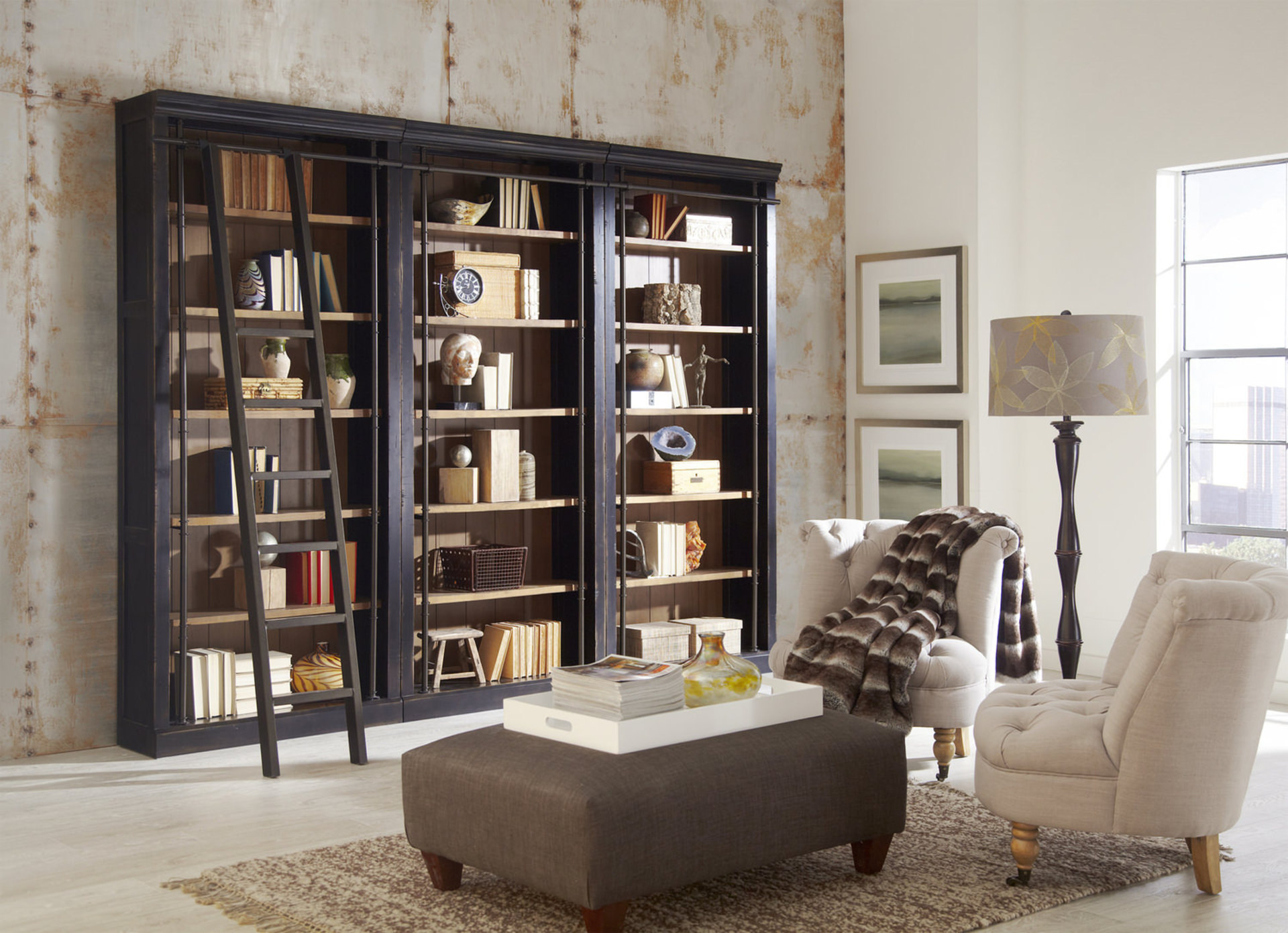
A bookcase, cabinet or neatly styled wall behind the desk creates visual structure. Neutral paint colors, minimal clutter and balanced lighting enhance the effect.
It’s best to keep cables and wiring out of sight. Desks with built-in grommets or cord channels and accessories such as cable sleeves and clips prevent tangles. When cords are controlled and surfaces remain orderly, the entire room feels more composed.
Style That Connects with Your Home
Your office should feel like a natural extension of the surrounding interior.
Traditional spaces often highlight rich wood tones and classic detailing that convey warmth and permanence. Modern offices favor clean lines and understated profiles, creating an uncluttered atmosphere. Transitional environments blend these approaches, pairing simplicity with inviting finishes for broad appeal.
Coordinating colors, materials and hardware with nearby rooms strengthens the sense of continuity throughout the home.
The Advantage of Expert Guidance
Designing a home office involves more nuance than many people expect. Scale, ergonomics, storage and aesthetics must all work together for the space to support your routine.
Hennen’s Furniture offers home office furniture collections that combine craftsmanship with practical design, and working with a Hennen’s designer can simplify the selection process. From narrowing selections and planning the layout, their guidance helps you create a home office setup tailored to both your work style and your home.