
How to Choose the Perfect Sofa for Your Home

A sofa sets the tone for a room. It influences the way people gather, how the space feels day to day and the true comfort level of the room once everything else is in place. Whether you’re furnishing a brand-new living room or replacing a well-used favorite piece, the right sofa should feel intentional rather than accidental. This sofa buying guide walks through the most important considerations on how to choose a sofa that fits your home, your habits and your expectations for comfort.
Finding the Right Scale for Your Space
It’s important to determine what size sofa works best for your room. A rule of thumb suggests that your sofa should span about two-thirds of the wall behind it. However, sizing is also about the proportion of the unit to its space. A sofa should feel balanced and support how the room is used.
Apartment-size sofas typically measure between 68 and 80 inches. They work especially well in condos, apartments and smaller living rooms where floor space is limited but comfort still matters.
Standard sofas generally fall between 82 and 88 inches. This size is appropriate in most living rooms and offers comfortable seating for everyday use without overwhelming the layout.
Oversize sofas often extend beyond 90 inches and usually feature deeper seats or broader arms. These are best suited to larger rooms where lounging and entertaining are priorities.
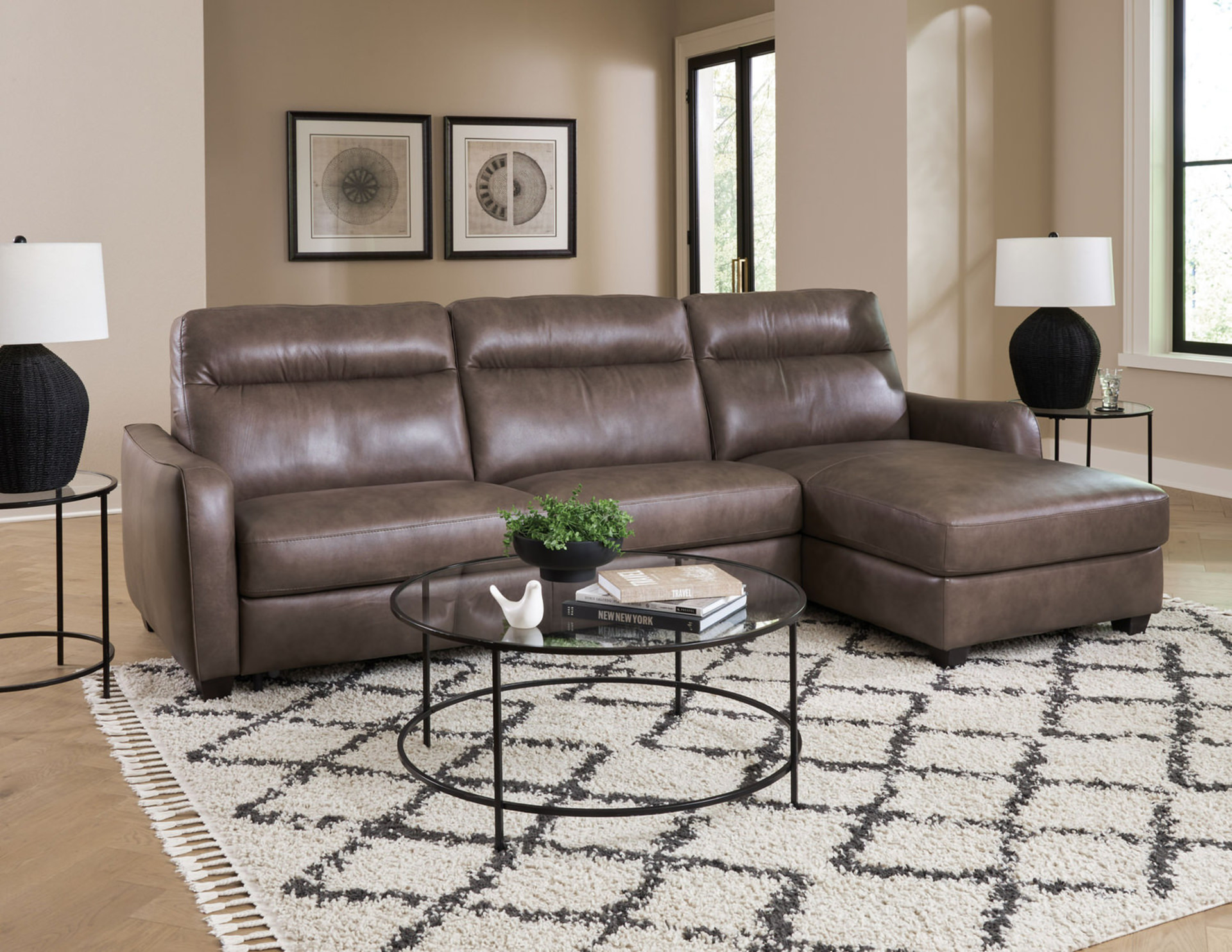
Measuring With Purpose
Start by measuring the wall where the sofa will live, then look at how people move through the room. Main walkways should remain open and furniture should feel easy to navigate around. Leave at least 30 to 36 inches for main traffic paths. Don’t forget to measure doorways, hallways and staircases to ensure delivery goes smoothly. Using painter’s tape to outline the sofa’s footprint can help you visualize how it will interact with the rest of the room.
What’s Inside the Sofa Matters
Comfort and longevity depend heavily on construction. While upholstery gets the attention, the frame and cushions determine how the sofa performs over time.
Frame Construction
Frames made with kiln-dried hardwood are valued for their strength and stability. Hardwood resists warping and helps the sofa maintain its shape through years of regular use. Many quality sofas also incorporate engineered woods in non-stress areas, which can add consistency and support when properly designed.
Well-built frames use reinforced joints and corner blocking to provide structure and reduce movement. These details contribute to a sofa that feels solid and supportive without calling attention to itself.
Cushion Construction
Cushions define how a sofa feels when you sit down and how it will feel years later.
High-density foam cushions offer a more structured sit and tend to hold their shape well. Foam wrapped in fiber or down creates a softer feel with added comfort and visual fullness. Some sofas include pocketed coils or spring cores inside the cushions, adding responsiveness and long-term support.
Back cushions may be attached for a cleaner look or loose for adjustability and easier maintenance. The best choice depends on how you use the sofa and how much upkeep you prefer.
Upholstery Choices That Fit Your Lifestyle
Upholstery affects both the look of the sofa and how it performs in daily life.
Fabric Sofas
Fabric offers the most variety in color, pattern and texture. Performance fabrics are especially popular because they are designed to resist stains, fading and wear while remaining comfortable. These fabrics are well suited for busy households and high-use rooms.
Textured weaves and patterned fabrics tend to hide everyday wear better than smooth, solid fabrics. Softer options like velvets or linen blends create a tailored look but may require more mindful care.
Leather Sofas
Leather seating brings a timeless look and a distinctive feel that many homeowners appreciate. Top-grain and full-grain leathers are durable and develop character over time, often becoming softer with use.
Beyond the classic aesthetic, leather offers practical advantages for busy households. It's naturally resistant to spills and stains—liquids bead on the surface rather than soaking in, making cleanup straightforward with just a quick wipe. Maintenance is simpler than you might expect—regular dusting and an occasional wipe-down with a damp cloth keep leather looking its best. While leather requires a higher upfront investment than most fabric sofas, its longevity and aging process—developing warmth and depth over the years—often make it a worthwhile choice for those seeking a sofa that improves with time.
Sofa Styles and Visual Impact
The style of your sofa helps define the room’s personality and should work with the architecture and furnishings already in place.
Traditional sofas feature classic shapes, rolled arms and tailored details. They feel at home in formal spaces and rooms with traditional design elements.
Contemporary sofas focus on clean lines and minimal detailing. These styles pair well with modern homes and open floor plans.
Transitional sofas blend traditional and contemporary influences, making them one of the most adaptable options for a wide range of interiors.
Mid-century modern sofas are known for their streamlined profiles, exposed legs and retro-inspired appeal. They work well in spaces that favor simplicity and character.
Functional Features Worth Considering
Many sofas offer additional features designed to add flexibility and comfort.
Sleeper sofas provide a built-in guest solution without sacrificing everyday style. Today’s sleeper designs are easier to use and more comfortable than older versions.
Sofas with storage include hidden compartments that are useful for blankets, pillows or games, especially in smaller homes.
Reclining sofas let you lean back and relax, and many also offer adjustable headrest and footrests as well as lumbar support. Some include consoles with cupholders, storage, electrical sockets and USB connections, which make them ideal for family and entertainment rooms. Power recliners allow you to find your favorite position at the touch of a button.
Why Testing Sofas In-Store Matters
Comfort is subjective and photos can only tell you so much. Sitting on a sofa in person allows you to assess seat depth, seat height and back support in a way that online browsing cannot.
Try sitting as you normally would at home. Pay attention to how the cushions respond, how supportive the back feels and how easy it is to stand up. This is also the best opportunity to test reclining features or sleeper mechanisms to ensure they operate smoothly.
Customization Makes a Difference
Many sofas offer customization options that allow you to fine-tune the final result. Fabric or leather choices, cushion firmness, leg finishes and arm styles can often be selected to better suit your home.
Some sofas are available in multiple sizes or configurations, allowing you to adjust proportions without changing the overall design. Customization helps ensure the sofa feels considered rather than compromised.
Choosing a Sofa You’ll Enjoy Long Term
The best sofas combine thoughtful construction, comfortable seating and a style that feels right for your home. By paying attention to scale, materials and how you plan to use the space, you can choose a sofa that supports everyday living and looks good doing it.
A well-chosen sofa doesn’t just fill a room. It becomes part of how the room works, how it feels and how you enjoy it over time.