Why Fall Is the Best Time to Buy a New Mattress (and What to Look for When You Do)
October 2026
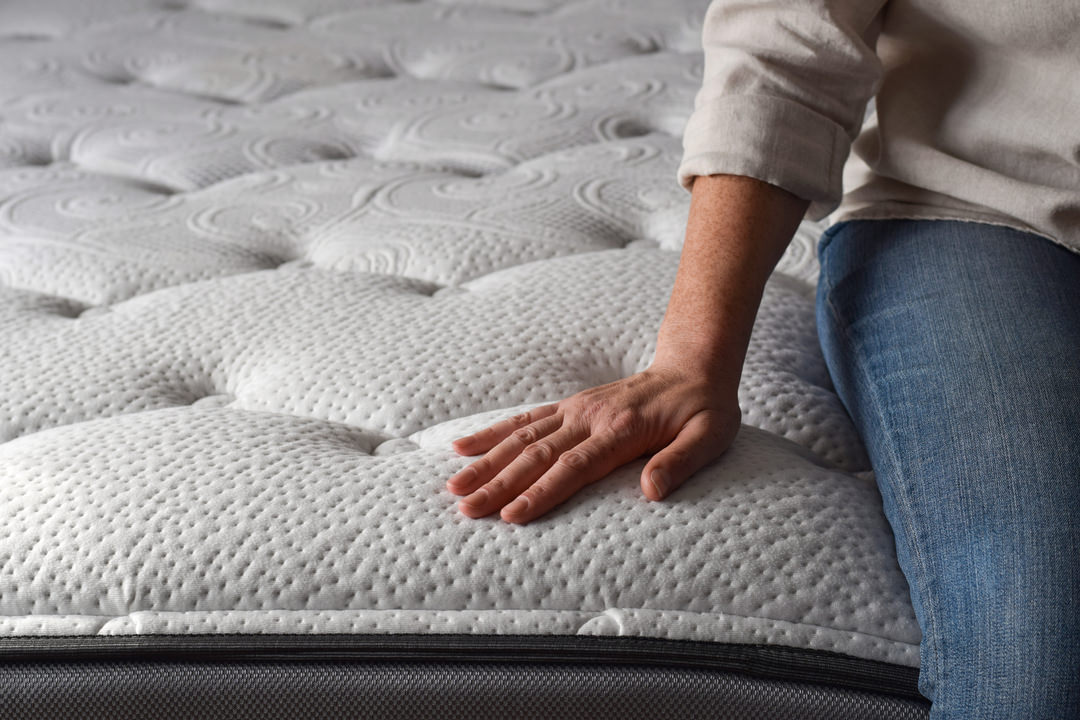
There's a reason so many of us feel a pull toward routine as fall arrives. The days shorten, evenings turn quieter, and the instinct to settle in returns after a summer of later nights and disrupted schedules. It's a season built around rest, and that's exactly why fall has quietly become a smart time to buy a mattress, for people who think it through rather than chase a sale. This isn't a seasonal gimmick. It's a considered case: even if you're not spending more hours in bed, the hours you do spend there start to matter more once your schedule slows down and sleep becomes the thing your body is actually asking for. A fall mattress upgrade is one of the few purchases that pays you back every night.
That's worth sitting with for a moment. A new mattress isn't an impulse buy, and it shouldn't be treated like one. If you've been waking up stiff, shifting positions all night, or noticing your current mattress sagging in the middle, fall gives you a real, practical reason to stop making do. Below, we'll walk through genuine mattress buying tips and a clear framework for choosing a mattress that fits how you actually sleep, not just what's on sale this week.
Is fall a good time to buy a new mattress?
In short, yes, and not just because retailers run sales. Fall lines up with three practical realities. First, shorter days shift your whole rhythm earlier, and as evenings turn into actual rest time instead of just downtime, the quality of that rest starts to matter more, which means the return on a better mattress shows up almost immediately. Second, major mattress brands typically refresh their lineups in late summer and early fall, which means more selection and better pricing on outgoing models. Third, the seasonal reset in routines, from new schedules to cooler bedrooms to heavier bedding, gives you a natural checkpoint to evaluate whether your current setup still fits. A mattress that felt fine in July can feel noticeably different once you're sleeping under blankets again.

What Should I Look for When Buying a New Mattress?
A good mattress purchase comes down to three decisions. Get these right, and almost everything else, brand, price point, extra features, falls into place around them.
1. Firmness: The Most Misunderstood Variable
Most people choose firmness based on body weight alone, assuming heavier means firmer and lighter means softer. That's a piece of the puzzle, but not the most important one. Sleeping position matters more than weight in determining what will actually feel supportive.
- Side sleepers generally need a softer to medium mattress. Side sleeping puts pressure on the shoulders and hips, so the surface needs enough give to cushion those points while keeping the spine aligned.
- Back sleepers tend to do best on a medium-firm mattress. This provides enough support to keep the lower back from sinking while still contouring gently.
- Stomach sleepers usually need a firmer surface. Too much softness allows the midsection to sink, pulling the spine out of alignment and straining the lower back.
- Combination sleepers, who shift throughout the night, often do best with a medium-firm option that accommodates multiple positions without feeling wrong in any of them.
Body weight still plays a supporting role. Heavier individuals may want to size up in firmness within their category, and lighter individuals may want to size down, but position should be the starting filter, not weight alone.
2. Construction: Memory Foam vs. Hybrid vs. Innerspring
Once you know your firmness range, construction determines how that firmness actually feels underneath you.
- Memory foam contours closely to the body and absorbs motion well, making it a strong choice for side sleepers, couples with different sleep schedules, and anyone who wants a slower, more cushioned feel. The tradeoff is less bounce and, in older foams, more heat retention, though newer cooling-infused foams have largely addressed this.
- Hybrid mattresses combine a coil support base with a foam or latex comfort layer. This gives you contouring on top with more airflow and responsiveness underneath. Hybrids are a strong default for people who want the pressure relief of foam without losing the supportive, breathable feel of springs, which is part of why they've become the most popular category for a wide range of sleepers.
- Innerspring mattresses use coil systems with a thinner comfort layer on top. They offer a firmer, bouncier, more traditional feel and tend to sleep cooler than foam. They're often a good fit for stomach and back sleepers who want firm, responsive support without much sinking.
There's no universally best construction, only the best match for your position, temperature preferences, and how much contouring you want.
3. In-Store vs. Online: The Case for Lying Down First
Buying a mattress online is easier than ever, and for some shoppers, it works out fine. But a mattress is one of the few purchases where the specs on a page and the feel in person can genuinely diverge. Firmness ratings aren't standardized across brands. A "medium" from one manufacturer can feel closer to a "medium-firm" from another. Materials described in similar language can perform very differently depending on density, layering, and construction quality.
Lying down on a mattress for even a few minutes tells you things a product description can't: how it responds to your specific weight distribution, whether it isolates motion the way you'd hoped, whether the firmness holds up once you're actually horizontal instead of imagining it. That's the value a showroom offers, not pressure to buy, but the chance to rule things out before you commit. On our floor, you can test multiple firmness levels and constructions side by side, which tends to narrow the decision faster than scrolling through comparison charts ever will. Many shoppers find it useful to do initial research online, then come in to confirm the shortlist in person before buying.
How Long Does It Take to Adjust to a New Mattress?
Even the right mattress rarely feels perfect on night one. Most sleepers need two to four weeks to fully adjust, as both the mattress and your body settle into a new normal. New foam layers soften slightly with use, and your muscles and joints need time to recalibrate to different support and pressure points, especially if you're switching firmness levels or construction types. Mild stiffness or an unfamiliar feel in the first week or two is normal and typically resolves on its own. If discomfort is still pronounced after a month, that's a sign the mattress may not be the right match, which is why understanding your firmness and construction needs before you buy matters so much.
Fall gives you a natural reason to make this call: longer nights, a routine reset, and better selection all pointing the same direction. If you're ready to go deeper on the details, our full mattress buying guide walks through everything from sizing to trial periods to help you shop with confidence.
Ready to see the difference for yourself? Stop by Hennen's Furniture in St. Cloud, MN, and spend a few minutes lying on the options instead of guessing from a screen. Our team is happy to help you work through firmness, construction, and everything in between so you leave with a mattress built for how you actually sleep.
Recommended Blogs


Related Products


only 4 left in stock!