How to Choose Dining Chairs That Elevate Your Table
August 2026

Walk into almost any dining room and you can tell within seconds whether the chairs were chosen or simply acquired. A table can be beautiful, well-proportioned, and perfectly placed and still feel unresolved if the chairs around it are an afterthought. This is one of the most visible, most expensive mistakes people make in the dining room, and learning how to choose dining chairs with intention is one of the easiest ways to avoid it, once you understand what's actually driving the decision.
Most advice on this topic stops at a single question: do the chairs "match" the table? That's the wrong frame. Whether you're weighing dining chair styles for a full remodel, deciding between upholstered dining chairs and wood, working from a dining chair height guide to get the proportions right, or narrowing down the best dining chairs for a round table, the real relationship between a table and its chairs is built on four things: proportion, configuration, material dialogue, and intentional variation. Get those right, and matching becomes irrelevant. Get them wrong, and no amount of matching will save the room.
1. Start With Seat Height, Not Style
Before you fall in love with a chair's silhouette, check its math. This is the single most common, and most fixable, dining chair mistake.
The rule: leave 10 to 12 inches between the seat and the tabletop. This gap gives knees, laps, and elbows the clearance they need without anyone feeling like they're eating off their chin or reaching up to the table.
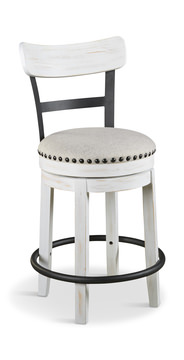
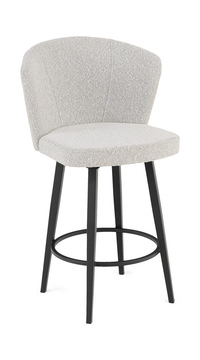
Most standard dining tables sit around 30 inches tall, which pairs naturally with chairs in the 18-inch seat height range. Counter-height and bar-height tables require their own corresponding chair or stool heights. Avoid mixing standard dining chairs with a counter-height table as the mismatched proportions are beyond any design choice fix.
Quick proportion reference guide:
| Table Height | Ideal Seat Height | Clearance Target |
| Standard dining (28–30") | 17–19" | 10–12" |
| Counter height (34–36") | 24–26" | 10–12" |
| Bar height (40–42") | 28–30" | 10–12" |
If you're shopping for chairs separately from your table, bring these numbers with you. It's a five-minute check that prevents years of low-grade discomfort at every meal.
2. Choose a Configuration, Not Just a Chair
Once height is settled, the next decision is how the chairs function around the table.
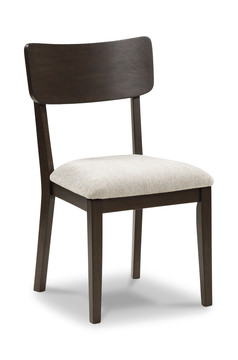
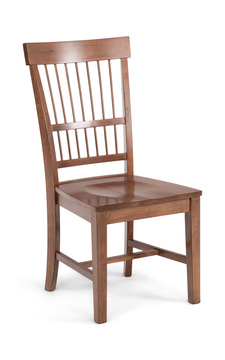
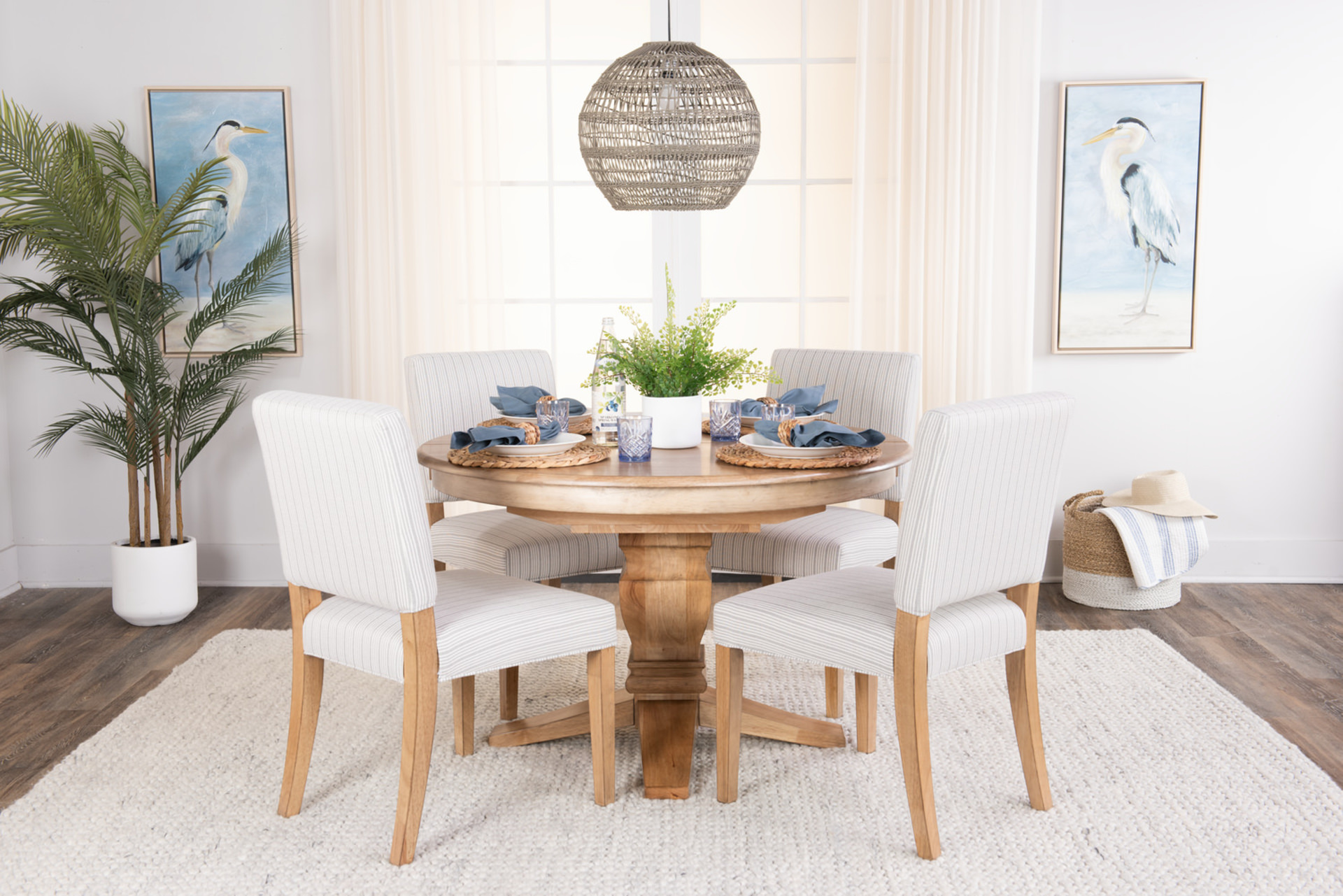
Side chairs are the workhorses of the dining room: armless, streamlined, and easy to tuck fully under the table when not in use. They're the right call for most seats around a table, especially in rooms where visual lightness matters.
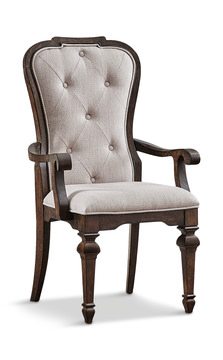
Arm chairs bring presence and a sense of occasion. Used at every seat, they can overwhelm a table or crowd a room if spacing isn't generous. Used selectively, particularly at the heads of a rectangular or oval table, they do something more interesting: they bookend the table, giving it a clear sense of front and back, host and guest, without requiring a fully upholstered arm chair set.
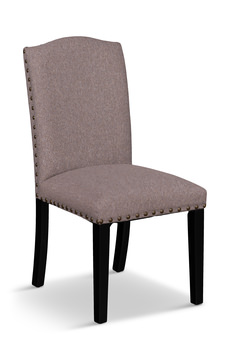
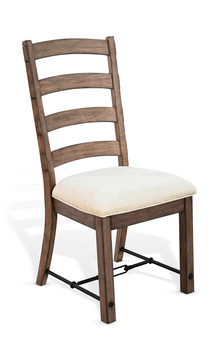
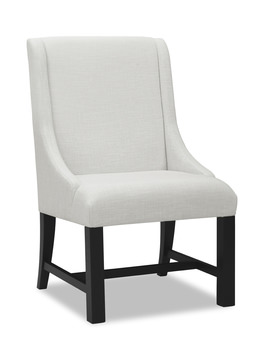
Upholstered dining chairs, whether side or arm, add comfort for long meals and a softer visual texture against wood, stone, or glass tabletops. Wood or cane chairs, by contrast, keep the room feeling lighter and are easier to maintain around kids or frequent entertaining. Neither is more "correct." The right call depends on how the room is used: a formal dining room built for two-hour dinners benefits from upholstery; a busy everyday table often does better with wipeable, low-maintenance wood or performance fabric.
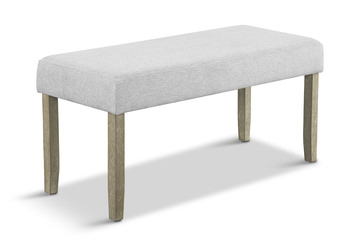
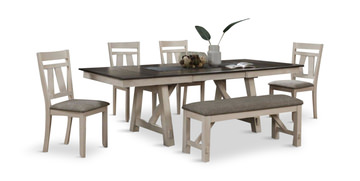
Dining benches round out the configuration conversation, and they deserve more consideration than they usually get. A bench along one side of a rectangular table, paired with chairs on the other side and at the heads, solves real problems: it seats more people per linear foot than chairs alone, tucks flush against a wall when floor space is tight, and gives kids room to scoot in and out without wrestling a chair. Visually, a bench also lightens a room by removing a full run of chair backs and legs from the sightline, which is part of why it reads as more casual than an all-chair setup. The trade-off is usually back support. Benches work best for households that prioritize flexibility and easy cleanup over long, lingering dinners. Used well, a bench isn't a compromise; it's simply another configuration decision, made the same way you'd choose between side chairs and arm chairs.
3. Decide: Contrast or Complement
This is where personal preference enters the equation and where the "must match" instinct does the most damage.
A chair that complements the table shares its wood tone, finish, or overall design language. This reads as cohesive and calm, and it's a safe, elegant choice for traditional or transitional rooms.
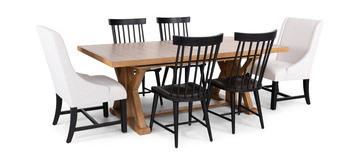
A chair that contrasts, such as a black wood chair against a warm oak table, or a woven natural-fiber chair against a dark walnut top, reads as considered, not accidental, when the contrast is deliberate and repeated with intention (same finish across all chairs, a shared color story with the room's other furniture). The mistake isn't contrast itself; it's contrast that looks incidental rather than chosen.
Both approaches are sophisticated. What separates a designed room from a mismatched one isn't whether the chair matches the table, it's whether the decision looks deliberate.
4. The Mixed-Chair Trend: When It Works
Mixing chair styles around one table has become a popular way to add personality, and it can look wonderful or it can look like the room ran out of budget halfway through. The difference comes down to a shared thread.
Mixing works when there's a unifying element: the same wood tone across different chair silhouettes, a consistent color palette across different materials, or a matched pair of arm chairs anchoring an otherwise uniform set of side chairs. Mixing identical side chairs with a contrasting arm chair at each head is one of the most reliable ways to mix without looking unresolved.
Mixing tends to fail when there's no connective thread: different woods, different finishes, different eras, and different scales all competing at once. If you can't articulate what ties the chairs together in one sentence, the room can't either.
How Many Chairs Do You Actually Need?
For a 60-inch round table, plan on seating six comfortably, with room to add a seventh in a pinch if the chairs are armless and slim. Round tables need roughly 24 inches of chair width per person to avoid elbows colliding — a detail worth checking before falling for a wider arm chair design.
Choosing With Intention
The dining chair decision isn't about finding chairs that match your table. It's about understanding how height, configuration, material, and variation work together to support how you actually use the room. Dining tables and chairs often play host to many activities, whether that's Tuesday-night game night or holiday gatherings, that stretch the table to its limits.
If you're working through this decision for your own dining room, our team at Hennen's Furniture in St. Cloud, MN can help you see, and sit in, options side by side — something no amount of online scrolling can replace. Stop in and let us help you find the chairs that actually elevate your table, not just fill the seats.
For a deeper look at building out the rest of the room, read our full Dining Room Buying Guide.
Recommended Blogs

Related Products
only 3 left in stock!
only 3 left in stock!