Why the Right Area Rug Makes Every Other Furniture Decision Easier
September 2026

Every living room decision gets easier once the area rug is in place. A rug sets the boundaries of the seating area, establishes the room's color direction, and gives the sofa, the wall paint and the accent pieces something to work around instead of something to guess at. Start with the rug, and the rest of the room follows more naturally than most people expect.
Should I Choose My Area Rug Before or After My Furniture?
There's no rule that says the rug has to come first. In some living rooms, though, it can work out well to start there. That's one strategy for choosing a living room area rug: lead with it when the order is flexible, rather than automatically starting with the sofa. A rug offers a wide range of color, pattern, and texture options, so starting there can give later decisions more to work with. Lead with the sofa instead, and the rug's role shifts, it's often chosen to match one piece rather than to set the tone for the whole room. Neither approach is right or wrong; it depends on what you already have and how much flexibility you want in the rest of the room.
This can be worth considering when starting from scratch, since it's sometimes easier to build a room around a rug than to find one that matches a sofa that's already in place. Other times, starting with a sofa you love and building around it works just as well.
None of this means the sofa has to wait. It's simply one way to think about sequencing when you're deciding where to start.
How a Rug Anchors a Furniture Arrangement
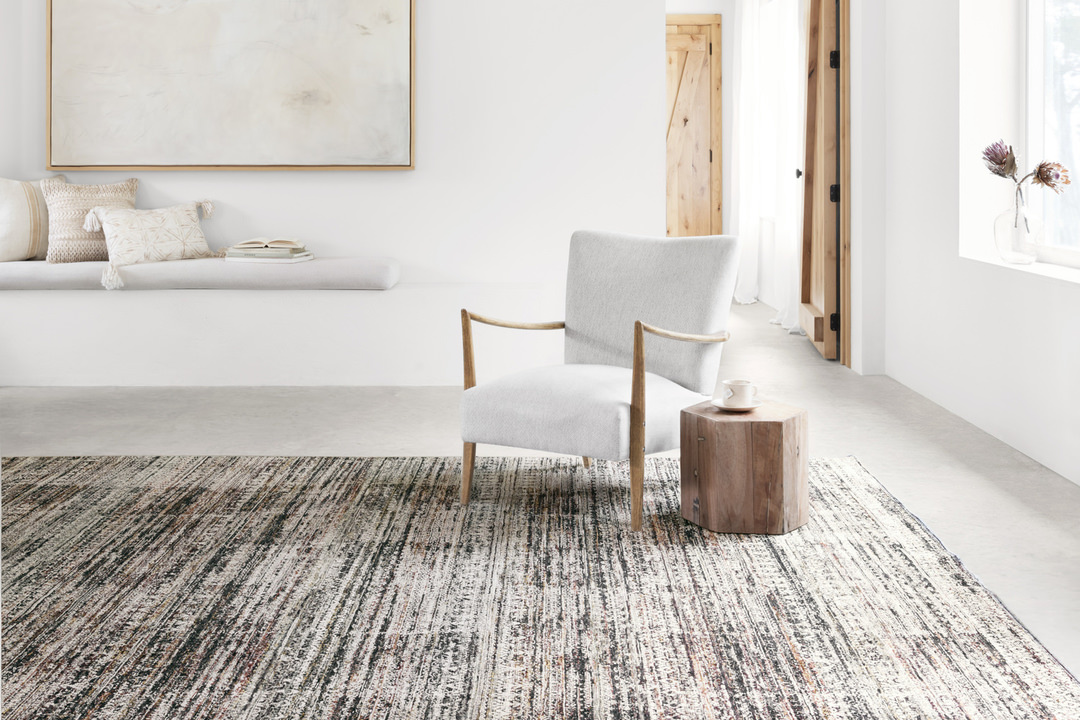
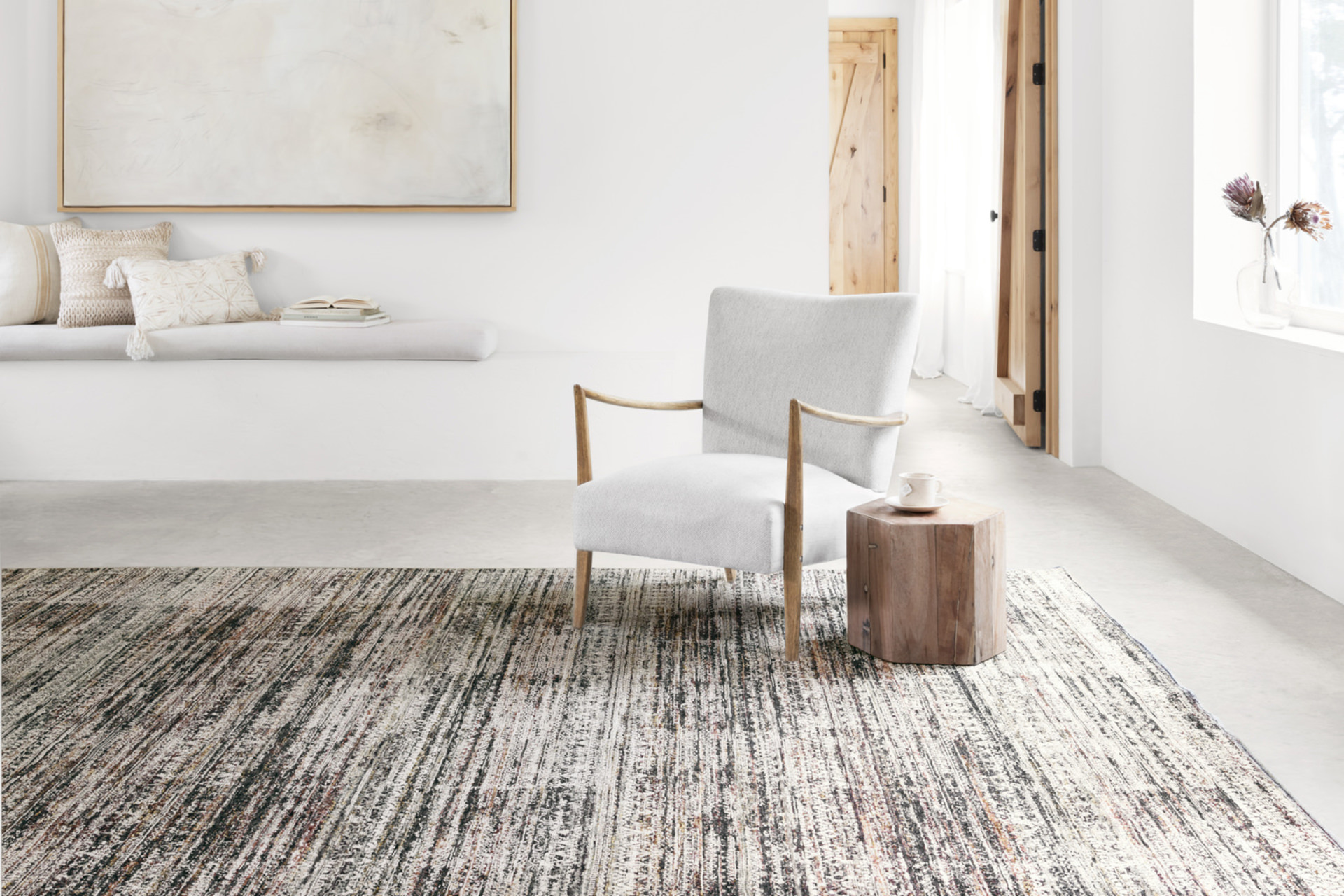
A living room with floating furniture, a sofa and chairs pulled away from the walls, needs something to hold that arrangement together, and that's exactly the job a rug does. The rug should define the conversation zone; that's really what an area rug for a living room furniture arrangement comes down to.
There are a few ways to place it. All four legs of the main seating pieces can sit on the rug, which reads as the most grounded, connected look. Just the front legs can rest on the rug, with the back legs off, a common choice when the rug isn't quite large enough to hold the whole grouping. Or the rug can be centered under a coffee table with the furniture arranged around it, no legs on the rug at all, letting the rug define the space visually without anchoring each piece directly.
Without a rug, a floating arrangement can feel unmoored, like the pieces haven't quite committed to a layout. With one, in any of these placements, the same furniture looks planned.
Let the Rug Set the Color Story First
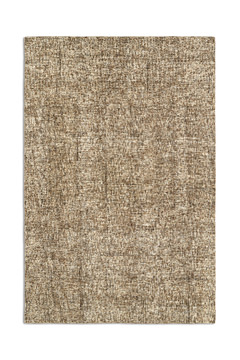
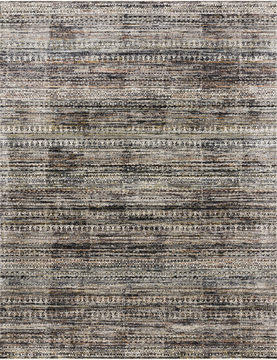
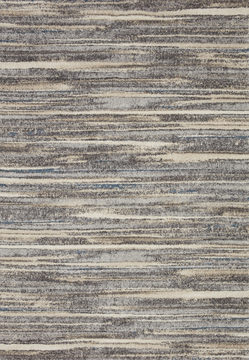
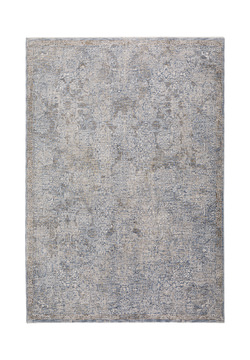
Color and pattern are where a rug earns its place as the room's foundation, and this is where most of the useful area rug design tips actually apply. A patterned rug can pull two or three colors into the room at once, giving a designer or a homeowner a built-in palette to draw the sofa fabric, throw pillows and wall art from. A rug in a solid neutral does the opposite job well: it grounds a room that will carry its color elsewhere, in art, upholstery or accessories.
Either approach works. What matters is choosing the color story before locking in the sofa, so the two aren't competing for the same visual role. A rug picked after the sofa is already in place tends to play it safe, matching rather than leading.
What Texture Says About a Room
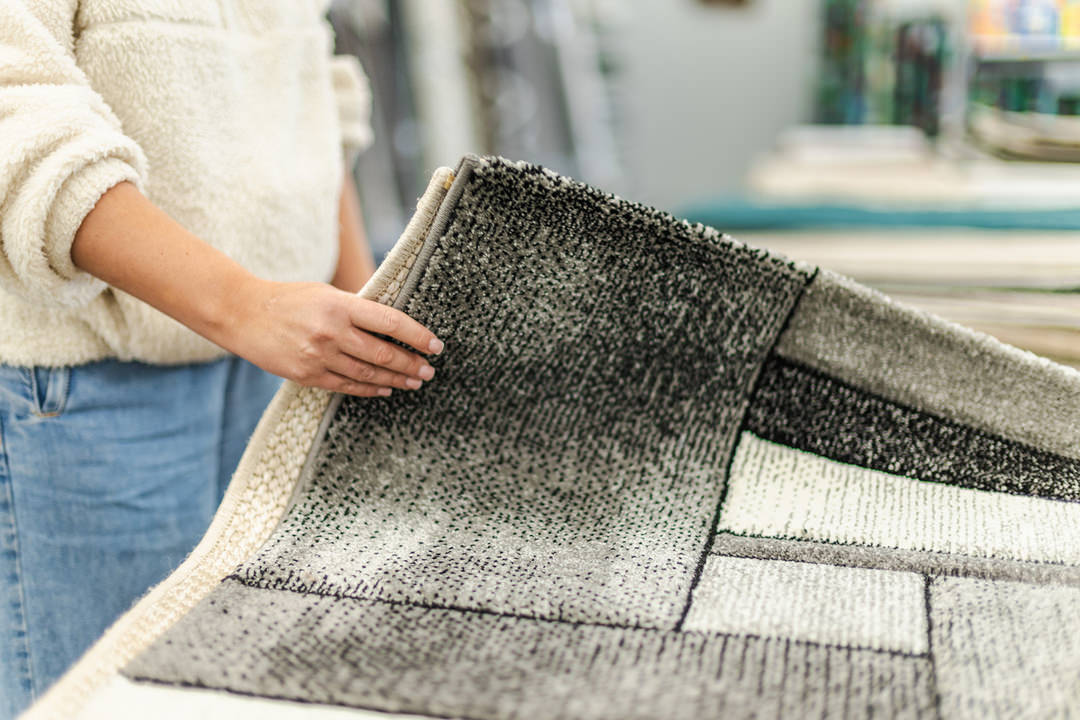
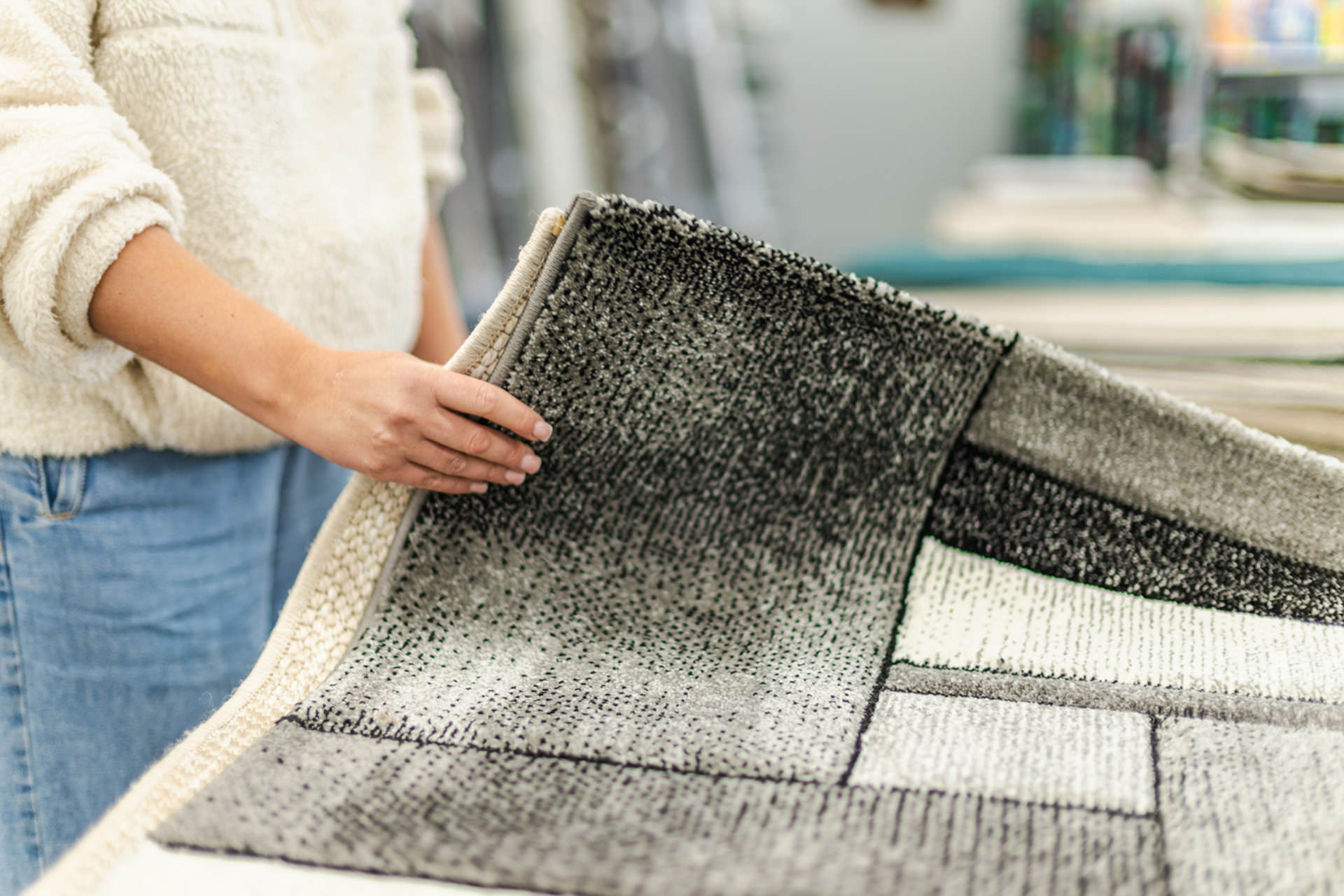
A rug with real texture, a hand-knotted wool, a substantial pile, a subtle weave, signals quality before a guest ever sits down. Texture does this work fast. A room can be furnished well and still feel unfinished if the rug underneath it is thin or an obvious placeholder.
Texture is something a photo can suggest but not confirm. A rug that feels substantial underfoot tends to read as a deliberate purchase rather than a last-minute one, and that's a difference that's much easier to judge in person than on a screen.
Let me know if you'd like this expanded with a few concrete texture examples (looped wool, jute, shag, flatweave) or tied into a broader rug-buying guide.
How Do I Choose an Area Rug That Works With My Existing Furniture?
For anyone starting from an already-furnished room rather than an empty one, the approach shifts slightly but the goal stays the same. Look at the existing sofa and chairs as fixed points, then find a rug that either picks up a color already in the room or introduces a neutral that lets the furniture stand out. This will help identify the best area rugs for the living room, or for any room that already has a style to work with.
The rug still needs to anchor the seating area the same way it would in a fresh layout, even when it's arriving last instead of first. Bringing a fabric swatch or paint chip from the room when shopping makes this easier, since colors that look right on their own don't always hold up next to an existing sofa.
What the Wrong Rug Does to an Otherwise Great Room
A well-furnished room with the wrong rug is a familiar problem. The sofa is good, the layout is sound, and the room still feels unsettled, because the one piece meant to tie it together is working against everything else.
A rug that's too small makes the furniture on top of it look like it's floating rather than settled into place, and it can leave a room feeling bigger and colder than it actually is. Go too far the other way — a rug that covers nearly the whole floor — and the room can start to feel cramped and closed in, since there's no bare floor left to give it room to breathe.
Placement causes just as many problems as size. A rug that's off-center, or that doesn't line up with the furniture grouping, can make an otherwise well-arranged room look unbalanced. And a rug whose color or pattern doesn't belong with everything else in the room reads as out of place no matter how nice it is on its own.
It's a reminder that the rug isn't a finishing touch. It's structural.
Choose the Right Rug Early
When you identify the right rug early in the interior design process, it makes every decision that follows easier. Get started by perusing Hennen's area rug buying guide, or visit the showroom for an in-person look at color, pattern and texture.