Small Living Room, Big Style: How to Choose Furniture That Elevates a Compact Space
May 2026
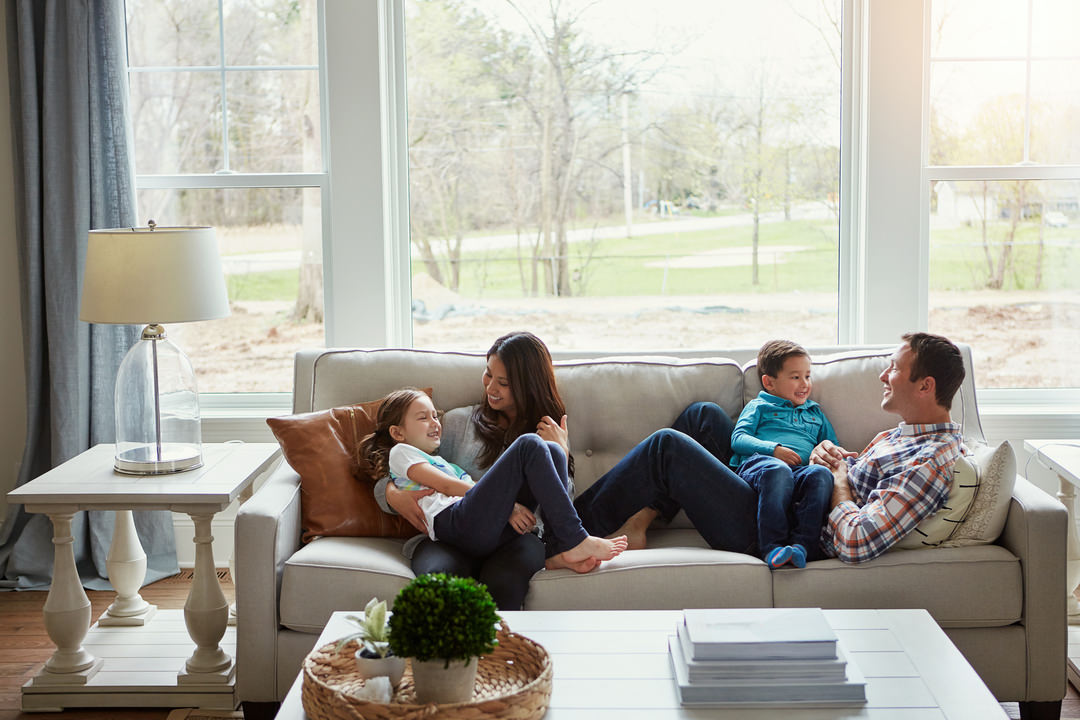
Small living rooms have a reputation for being difficult to furnish — and it’s not hard to see why. Most people’s first instinct is to shrink everything down: smaller sofa, smaller chairs, smaller table. But that approach can actually backfire, producing a room that feels cluttered and visually smaller than it actually is.
The real strategy isn’t about using smaller furniture — it’s about using fewer, better pieces, chosen with intention. This guide walks you through the four furniture decisions that matter most in a compact living room, what to leave out entirely, and how to pull it all together.
For a complete look at sofas, seating, accents, and décor, visit our Living Room Buying Guide.
What Furniture Works Best in a Small Living Room?
The furniture that works best in a small living room is well-proportioned, multifunctional, and visually light. Rather than filling every corner, the goal is to choose fewer pieces that each earn their place — a properly scaled sofa, a thoughtfully chosen accent chair, a coffee table that doesn’t overpower, and storage that does double duty.
Here’s a quick overview of the core pieces that work in compact spaces, and the specific characteristics to look for in each:
Sofa
What to Look for: 72–84" wide, visible legs, medium depth (32–36")
What to Avoid: Deep sectionals, high solid bases, bulky arms
Coffee Table
What to Look for: Round/oval shape, glass or light-finish wood, open base
What to Avoid: Large rectangular solid-base tables, dark heavy wood
Accent Chair
What to Look for: Open or armless silhouette, tapered legs, interesting texture
What to Avoid: Oversized club chairs, multiple small chairs
Storage
What to Look for: Media console with legs, storage ottoman, narrow open shelving
What to Avoid: Bulky entertainment centers, floor-to-ceiling cabinetry
What Size Sofa Is Best for a Small Living Room?
For most small living rooms, a sofa between 72 and 84 inches wide hits the right balance of presence and proportion. Going too small — say, a loveseat at 58 inches — often looks undersized against the wall behind it and leaves awkward gaps that make the room feel incomplete rather than open.
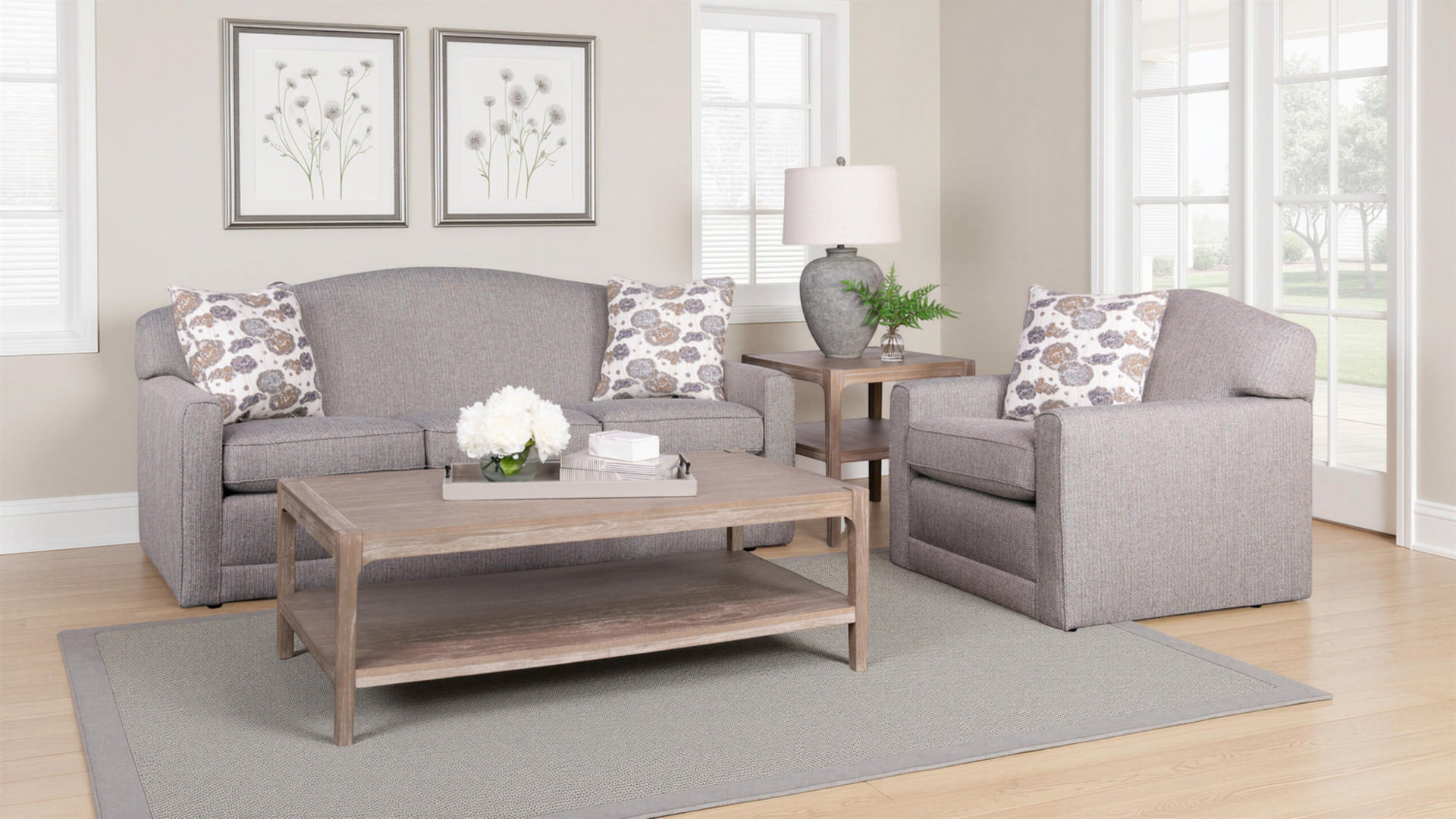
Beyond width, a few other dimensions make a real difference in how the sofa reads in the space:
• Select a sofa with a depth between 32 and 36 inches. Deep, slouchy sofas consume floor space and sightlines in ways that feel oppressive in compact rooms.
• Choose a sofa with visible legs — even 4 to 6 inches of clearance lets light travel under the frame, making the room feel less heavy.
• Low to mid-height backs tend to work better than tall frames in rooms with standard 8-foot ceilings.
Designer tip: A sofa in a solid, mid-tone neutral — warm gray, taupe, or greige — anchors the room without competing with the walls. Save pattern and texture for accent pieces that are easier to update.
How Do I Make a Small Living Room Feel More Open?
Making a small living room feel more open comes down to three things: managing visual weight, preserving sightlines, and being selective about what you bring into the space. Here’s how each of those plays out in practice.
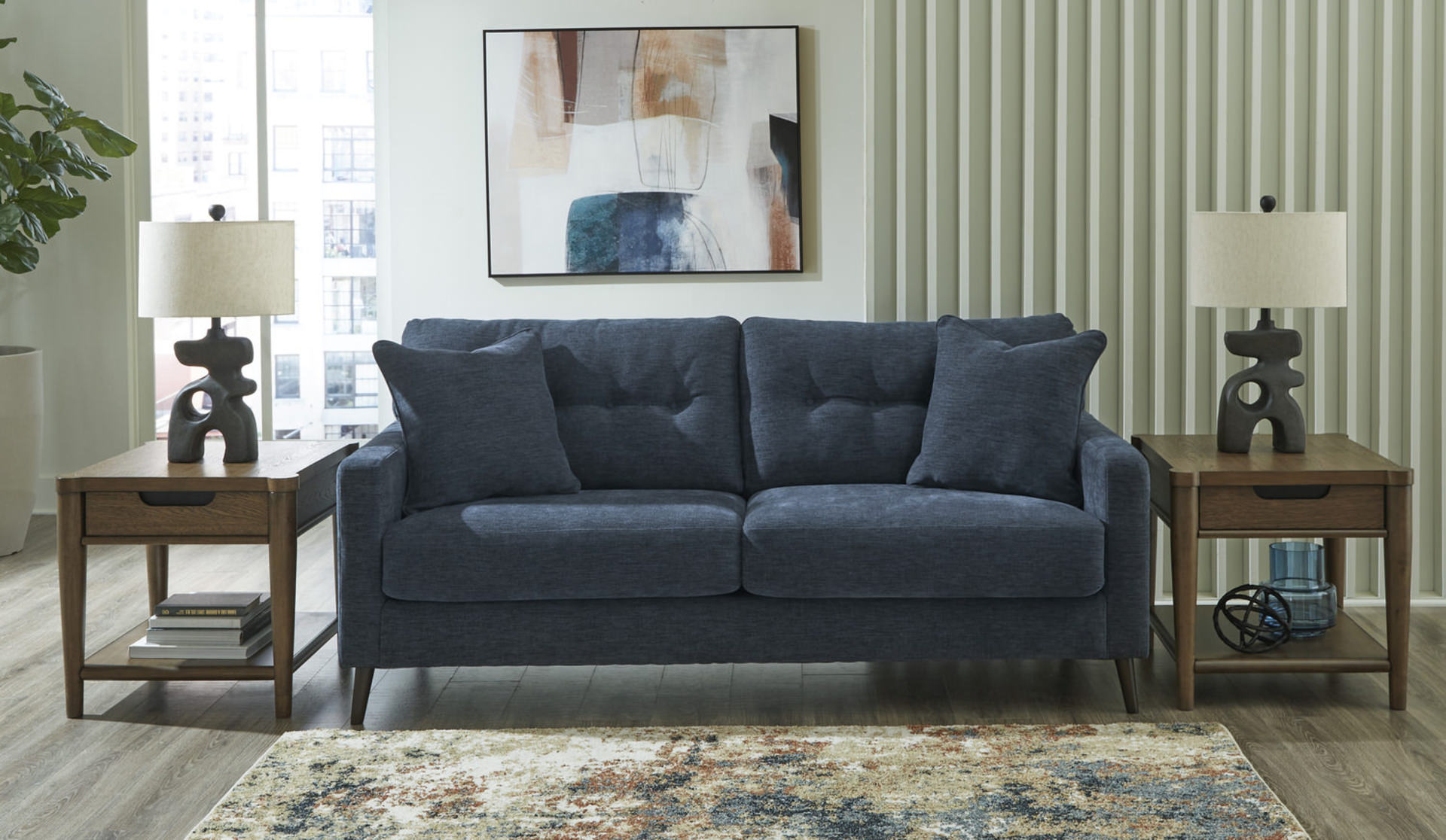
Choose furniture with visual lightness
• Sofas, chairs, and storage pieces with visible legs allow the eye to travel across the floor, creating a sense of more space.
• Glass or light-finish coffee tables reduce visual bulk at the center of the room, where heaviness is most noticeable.
• Open shelving reads lighter than solid cabinetry — just keep it styled with intention rather than packed to capacity.
Preserve clear sightlines
• Position the sofa so it doesn’t block natural pathways through the room.
• Avoid placing large furniture directly in front of windows, which cuts off light and makes the room feel smaller.
• Keep the floor as visible as possible — the more of it you can see, the larger the room feels.
Edit ruthlessly
• One well-chosen accent chair may outperform two mediocre ones — in style and in how open the room feels.
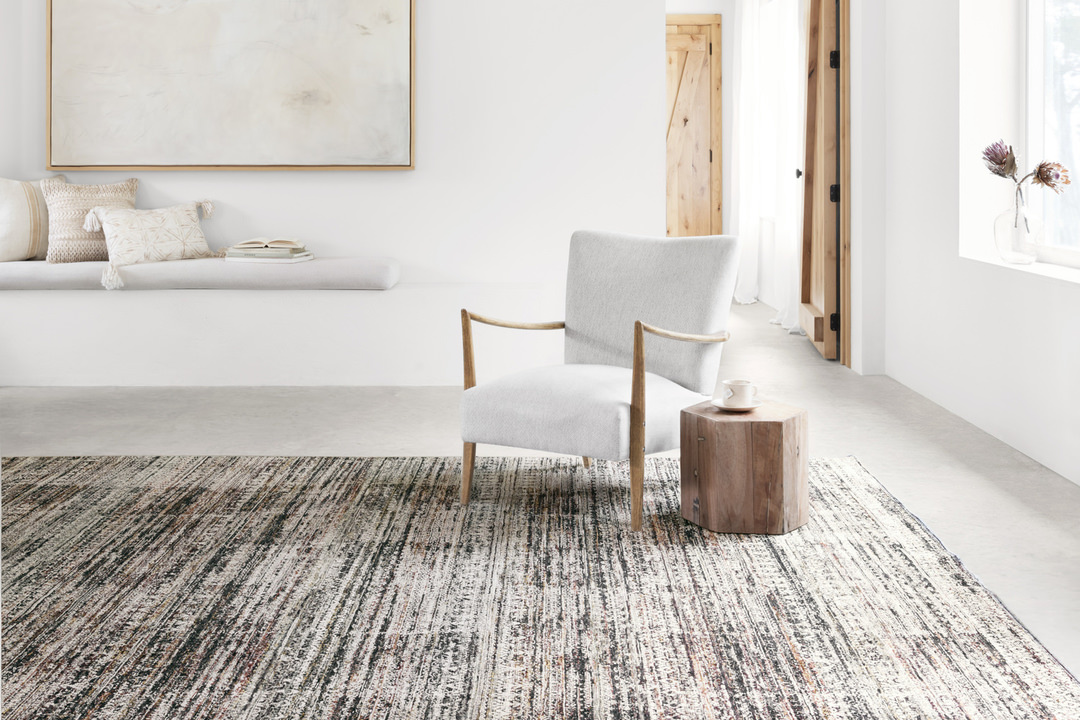
• A rug sized correctly — large enough for all front legs to rest on it — ties the seating together without visually chopping the floor into sections.
How Do I Make a Small Living Room Look More Expensive?
The most elevated small living rooms don’t look expensive because they’re filled with expensive things. They look expensive because every piece was chosen deliberately, and nothing is there by accident. Here’s how to achieve that effect.
• Prioritize quality where it matters most — usually the sofa. A well-made sofa in a quality fabric does more for a room’s perceived value than five budget accessories combined. Invest in one anchor piece.
• A linen sofa, a leather accent chair, a natural-fiber rug, and a wood coffee table create depth and richness without pattern or color. Textural contrast reads as thoughtful, not chaotic. Mix textures intentionally.
• One considered object on a coffee table has more visual impact than a collection of accessories. Restraint reads as sophistication in a compact space. Edit your surfaces.
• Furniture that’s correctly proportioned to the room and to each other — not too big, not too small — creates the kind of visual harmony that most people associate with high-end interiors. Pay attention to scale.
• A floor lamp beside the accent chair and a table lamp on an end table add warmth, dimension, and a finished quality that overhead lighting alone can’t achieve. Use lighting as a layer.
• A floor-length mirror positioned behind an end table and lamp reflects the light source back into the room, effectively doubling its warmth and making the space feel larger and more luminous. Lean into reflection.
Should Furniture in a Small Room Be Small?
Not necessarily — and this is one of the most common mistakes people make when furnishing compact spaces. Undersized furniture doesn’t make a room look bigger. It makes it look incomplete.
The goal isn’t to minimize every piece — it’s to choose the right number of pieces at the right scale. One properly proportioned sofa will always outperform two small ones crammed into the same space. The key is editing down to fewer, better-scaled pieces rather than shrinking everything uniformly.
A good rule of thumb: scale furniture to the wall behind it, not to the room overall. A sofa that spans most of a wall reads as intentional. One that floats with gaps on either side looks undersized.
How to Choose the Right Furniture for a Small Living Room: 4 Key Decisions
Once you understand the principles, the actual decision-making becomes more manageable. Here’s a step-by-step look at the four furniture choices that shape how a small living room looks and lives.
Step 1: Choose Your Sofa First
The sofa sets the scale for everything else in the room, so it’s the right place to start. Select it before you choose anything else.
Measure the wall where the sofa will sit wall-to-wall.
Subtract 12–18 inches on each side for breathing room and visual balance.
Look for sofas in the 72–84 inch range that fall within that span.
Confirm the depth (32–36 inches) and leg style (visible legs preferred).
Select a neutral, solid upholstery that will anchor the room without competing with accent pieces.
Step 2: Select a Coffee Table That Reduces Visual Weight
Once the sofa is decided, choose a coffee table that complements it without dominating the center of the room.
- Aim for a table roughly two-thirds the length of your sofa.
7. Position it 12–18 inches from the front edge of the sofa.
Prioritize round or oval shapes, which improve traffic flow and feel lighter.
Consider glass-top options if the room feels particularly tight — they provide function without blocking sightlines to the floor.
10. Avoid tables with solid, floor-to-ceiling bases, which visually anchor the center of the room and make it feel heavier.
Step 3: Add One Well-Chosen Accent Chair
Resist the urge to add multiple small seats. One strong accent chair in the right position does more for the room than two or three filler pieces.
11. Choose a chair with an open-arm or armless silhouette and tapered or hairpin legs.
- Select a fabric or finish that contrasts with the sofa — a different texture, a complementary tone, or a subtle pattern.
13. Position it at an angle to the sofa rather than directly parallel, which creates a more dynamic, conversational arrangement.
14. Make sure there’s at least 30 inches of clear space between the chair and the nearest piece of furniture.
Step 4: Choose Storage That Does Double Duty
In a small living room, every piece of furniture should serve more than one function. These storage options deliver the most value per square foot:
• Storage ottoman: functions as a coffee table, extra seating, and hidden storage in one footprint.
• Media console with legs: anchors the primary wall while keeping cords and clutter out of sight.
• Narrow open shelving: adds vertical interest and storage without consuming floor space — style intentionally to avoid the appearance of clutter.
• Side table with shelf or drawer: provides surface space and storage without requiring a full cabinet.
What Should You Leave Out of a Small Living Room?
Subtraction is one of the most powerful tools in small-room design. Some commonly used pieces consistently make compact living rooms feel smaller, not larger — and each one is worth reconsidering before it enters the room.
Skip: Oversized sectionals — Consumes two or more walls, eliminates traffic flow, leaves no room for other pieces
Skip: Multiple small accent chairs — Fragments the layout, creates visual noise, reduces clear floor space
Skip: Bulky entertainment centers — Overpowers the room; a lower media console or wall-mounted TV almost always works better
Skip: Oversized coffee tables — Reduces walkable floor space and makes the seating area feel hard to navigate
Skip: ?Overcrowded surfaces — Competes for attention; restraint reads as sophistication in compact spaces
Small Living Room Furniture: Quick Dimension Reference
Refer to our checklist before you purchase furniture for a small living room. The following dimensions reflect the ranges proven to work best in compact space.
Sofa width
Recommended Dimension: 72–84 inches
Notes: Scale to the wall, not the room
Sofa depth
Recommended Dimension: 32–36 inches
Notes: Avoid deep, low-profile sectionals
Coffee table
Recommended Dimension: ~2/3 sofa length
Notes: 12–18" from front edge of seating
Accent chair width
Recommended Dimension: 28–32 inches
Notes: Open-arm or armless preferred
Traffic clearance
Recommended Dimension: 30–36 inches minimum
Notes: 48" if a path passes behind seated guests
Area rug
Recommended Dimension: Large enough for all front legs
Notes: Ties seating together without dividing floor
The Bottom Line
The most successful small living rooms aren’t the ones with the smallest furniture. They’re the ones with the fewest, most intentional pieces — a well-proportioned sofa, a visually light coffee table, one strong accent chair, and storage that earns its keep. When those four decisions are made thoughtfully, a compact living room can feel just as considered and comfortable as a much larger one.
The right framework is: edit first, then furnish. What you leave out matters as much as what you bring in.
Ready to Find the Right Furniture for Your Small Living Room?
You don't have to figure this out alone. The team at Hennen's Furniture in St. Cloud, MN is here to help you choose pieces that work together — and work for your space.
Stop by our showroom to explore our curated living room collections, test furniture in person, and get hands-on guidance on scale, proportion, and style. Whether you're starting from scratch or refreshing what you already have, we'll help you put it all together. Learn more about our design services.
Visit Hennen's Furniture — St. Cloud, MN
Quality furniture, expert guidance, and a showroom worth the trip.